


“From farm to future – Nepal’s agri-business potential”
Nepal is fundamentally an agricultural country, and agriculture remains a central pillar of its economy. With fertile lands, diverse climatic zones, and a large rural population engaged in farming activities, the agri-business possibilities in Nepal are vast and evolving. In recent years, there has been a growing shift from traditional subsistence agriculture toward commercial agriculture and value-added agribusiness systems.
This blog examines the major possibilities in agri-business in Nepal, including production, processing, value chains, technology integration, export potential and strategic opportunities that can transform livelihoods and drive economic growth.
1. Overview: Agriculture’s Role in Nepal
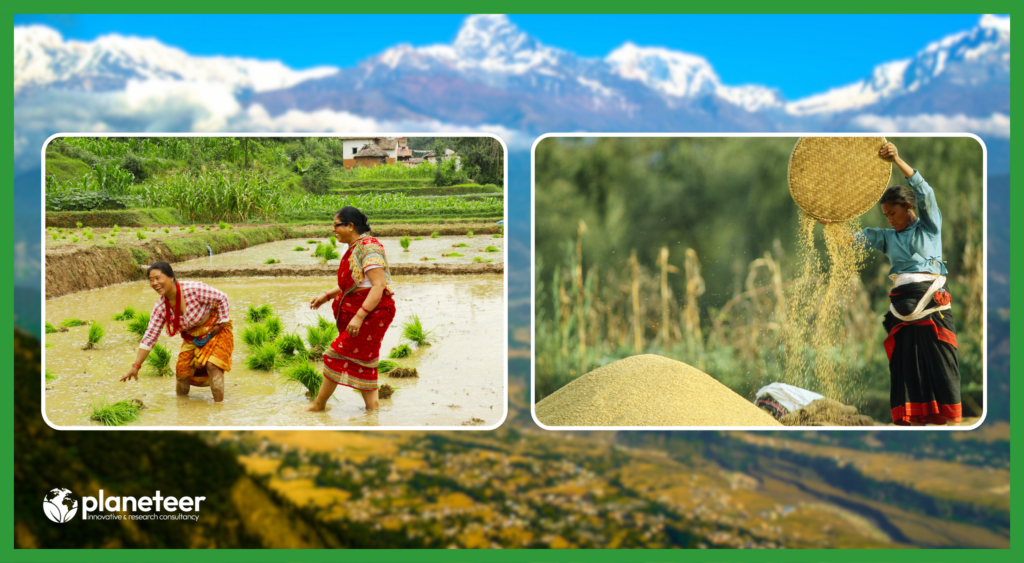
Agriculture has long been the backbone of Nepal’s economy. It contributes significantly to GDP, provides employment to a majority of the rural population, and ensures national food security. Estimates suggest that agriculture accounts for around 25-30% of Nepal’s GDP and employs about 60-65% of the labor force.
Despite this crucial role, most farming in Nepal remains traditional and subsistence-oriented. This means many farmers produce primarily for local consumption, with limited surplus for commercial sale or value addition. However, this traditional orientation also indicates that there is enormous room for growth upgrading from basic farming to agri-business enterprises can unlock new income streams and broader economic impact.
2. Primary Production: From Crops to Commercial Farming
2.1 Crop Farming and Commercial Crop Opportunities
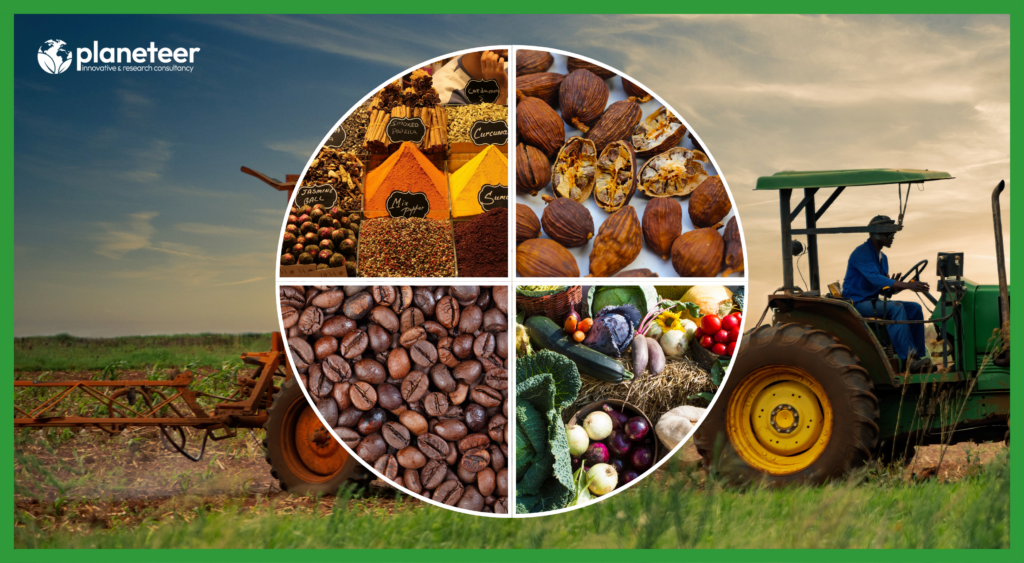
One of the simplest and most direct agri-business possibilities in Nepal is the cultivation of high-value crops. While rice, maize, wheat, and millet remain staple crops, there is growing potential for:
- Organic vegetables and fruits
- High-value spices and herbs
- Cash crops like cardamom, coffee and tea
- Industrial crops such as sugarcane and tobacco
With increasing domestic demand, especially in urban centers, farmers can shift towards producing surplus crops that can be sold in larger markets or processed into products.
2.2 Specialty Plantation Crops
Certain geographic and climatic regions of Nepal are highly suitable for specialty plantation crops such as:
- Tea (including orthodox and specialty teas)
- Coffee
- Cardamom (Elaichi)
- Grapes for wine and juice processing
- Medicinal and aromatic plants (MAPs)
These crops have not only domestic market appeal but also export market potential, especially in neighboring countries and beyond.
3. Livestock and Farming Agribusiness
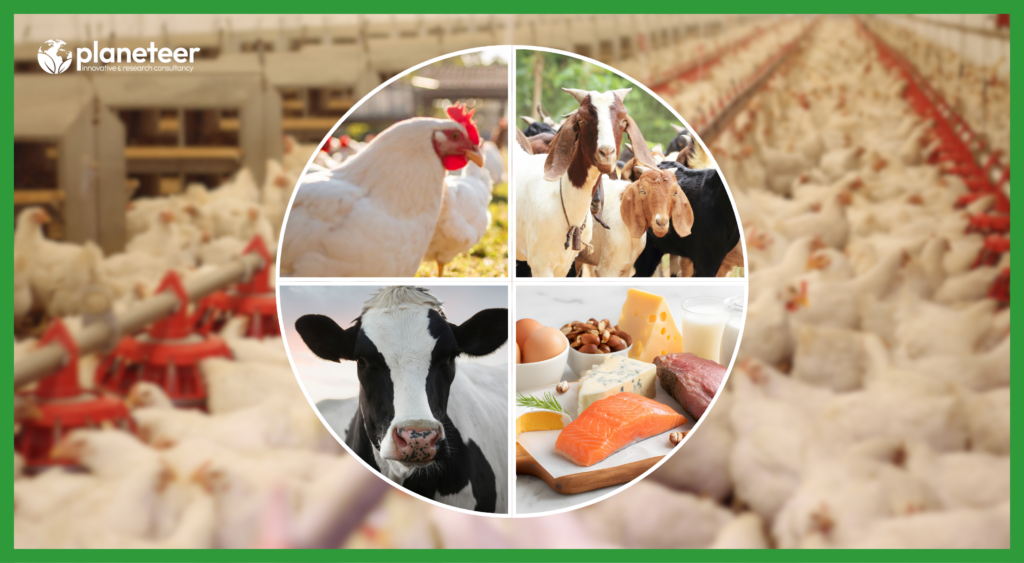
Livestock farming is another major area of agri-business possibilities in Nepal. The Livestock sector contributes a significant share of agricultural GDP and provides numerous commercial opportunities.
3.1 Dairy Production
Dairy farming, including cows, buffaloes, goats and sheep, offers stable income opportunities. With proper breeding, feed management, and processing, dairy products like fresh milk, cheese, ghee, and yogurt can be sold both locally and in urban markets.
3.2 Poultry Farming
Poultry farming for eggs and meat is a rapidly growing commercial activity in Nepal. With consistent demand in cities for protein-rich foods, poultry offers a high return on investment for small and medium-scale farmers.
3.3 Goat and Sheep Rearing
Small ruminants such as goats and sheep also present opportunities for meat production, especially in festive seasons or for specialized meat markets.
4. Agri-Processing: Unlocking Value Addition
4.1 Importance of Agro-Processing
Simply selling raw agricultural produce often yields low returns for farmers. The real potential lies in agro-processing, turning raw crops into market-ready products such as:
- Processed fruits and vegetables (canned, dried or juiced)
- Pickles and sauces
- Packaged spices
- Specialty teas and roasts
- Bakery and snack products
Investing in processing facilities enhances product value, creates jobs and extends shelf life making it easier to serve both domestic and export markets.
4.2 Cold Chain and Storage Infrastructure
One challenge in Nepal is the lack of adequate cold storage and distribution systems. Improving cold chain logistics enables farmers to store perishable goods like fruits, vegetables and dairy products for longer, reducing waste and improving profitability, a key agri-business possibilities in Nepal that can bridge production and markets.
5. Agro-Technology and Modern Farming
5.1 Smart Farming Techniques
With technological advancement, Nepali agriculture is gradually adopting modern techniques such as:
- Greenhouse farming for vegetables and flowers
- Drip and sprinkler irrigation systems
- Hydroponics and aquaponics for intensive vegetable production
These technologies reduce dependence on monsoon rainfall and increase crop yields, making farming more predictable and business-oriented.
5.2 Digital Platforms and Farm Extensions
Innovative platforms like AgriNepal are integrating technology with rural farming. They help farmers access inputs, market linkages, and value chain services through digital tools, even in areas with limited internet connectivity.
These technology solutions enable farmers to make informed decisions, link with buyers and scale their business operations.
6. Organic Farming and Certification Opportunities
As global consumers increasingly prefer organic and chemical-free products, organic farming presents a lucrative agri-business possibility in Nepal. Nepal’s relatively low usage of chemical fertilizers makes it a strong candidate for organic produce, including:
- Organic vegetables
- Organic tea and coffee
- Organic herbs and spices
Certified organic products fetch higher prices in international markets, making organic farming an attractive business possibility.
7. Cooperatives, Training and Agripreneurship

7.1 Strengthening Cooperatives
Organizations such as the Nepal Agriculture Cooperative Central Federation Ltd. (NACCFL) are transforming small farmers into agripreneurs. They provide training in value addition, marketing, and branding while facilitating access to markets for dairy, tea, coffee, honey and citrus.
7.2 Capacity Building and Rural Entrepreneurship
By empowering farmers through training on modern agronomic practices and business management, cooperatives help rural communities shift from subsistence farming toward market-oriented agribusiness, a major driver for sustainable rural incomes.
8. Market Linkages and Wholesale Centers
8.1 Local Markets like Kalimati
Established agricultural markets such as the Kalimati Fruit and Vegetable Market in Kathmandu play a pivotal role in connecting producers with wholesale and retail consumers. These hubs help streamline supply chains and provide price transparency for farmers.
8.2 Digital and E-Commerce Channels
Beyond traditional markets, farmers and agribusinesses can tap into digital marketplaces and e-commerce platforms to reach consumers nationwide with minimal distribution costs.
9. Export Potential and Foreign Investment
9.1 Export-Oriented Agri-Products
Certain agricultural products have high export demand, including:
- Tea (especially specialty and orthodox teas)
- Coffee
- Spices and herbs
- Organic fruits and vegetables
Targeting export markets can significantly increase foreign exchange revenues and position Nepal competitively in global value chains.
9.2 Foreign Direct Investment in Agribusiness
Nepal’s agricultural sector is attracting interest from foreign investors due to its natural resources, diverse climates, and rising global demand for organic and processed products. Investment in agro-processing, storage facilities, and export infrastructure can unlock long-term economic value.
10. Agri-Tourism and Farm-Based Experiences
10.1 Agriculture as Tourism
Agri-tourism is an emerging business possibility where tourists can experience rural farming life, participate in harvests or taste local farm produce. This not only diversifies income for farming families but also boosts local economies through visitor spending.
For example, local communities are developing farm stays, vineyard tours, and interactive cultural experiences that fuse agriculture and tourism in Nepal.
11. Value Chain Development and Linking Stakeholders
A key agri-business possibilities in Nepal lies in developing integrated value chains, from production and processing to marketing and export. This requires collaboration among:
- Farmers
- Processors
- Cooperatives
- Government agencies
- Financial institutions
- Private investors
When stakeholders work together, the agricultural ecosystem becomes more efficient, profitable and resilient.
12. Challenges to Agribusiness Growth
Despite huge potential, some challenges remain:
- Poor infrastructure, including roads and cold storage
- Limited access to finance for small farmers
- Fragmented landholdings
- Dependence on rainfall and traditional farming practices
- Weak supply chains and market linkages
Addressing these challenges through policy support, investment, and capacity building is essential for realizing the full agri-business possibilities in Nepal.
13. Government and Policy Support
The Nepal government has initiated policies to modernize agriculture, encourage youth engagement, and support agro-startups. Measures include removing VAT from certain agricultural products and envisioning a “Decade of Investment in Agriculture” to boost sector growth.
Such supportive policies create a conducive environment for agribusiness entrepreneurs to innovate and scale their operations.
14. Future Outlook – A Growing Agribusiness Sector
The future of agribusiness in Nepal is bright. With rising demand for quality produce, increasing adoption of modern technology, and stronger market access, the sector is moving toward commercialization and value addition. Whether it’s through organic farming, agro-processing, export markets or digital agriculture, the agri-business possibilities in Nepal extend far beyond traditional farming.
Conclusion
Agriculture in Nepal is at a transformative stage, shifting from subsistence farming to a more dynamic, market-oriented agribusiness model. The agri-business possibilities in Nepal are wide-ranging and promising, including commercial crop farming, livestock and poultry business, organic cultivation, value addition through processing, agri-technology integration, export potential, agro-tourism, cooperatives strengthening and foreign investment opportunities.
By embracing innovation, improving infrastructure, strengthening value chains, and supporting farmer empowerment, Nepal can unlock sustainable economic growth rooted in its agricultural strengths. The future of agribusiness in Nepal holds the promise of improved rural livelihoods, enhanced food security and increased contributions to national development.