

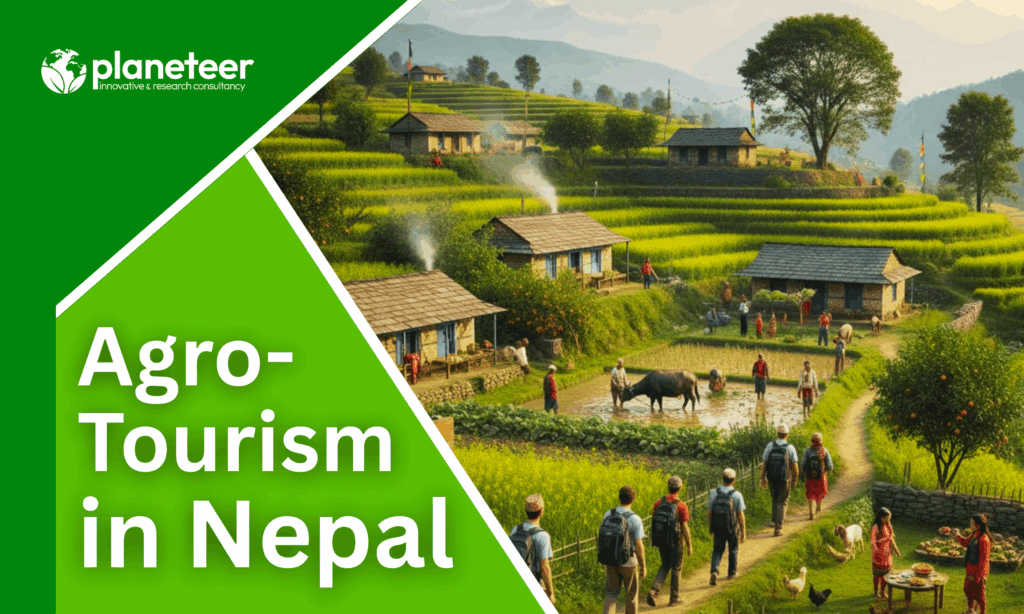
“Agro-tourism transforms farms into sustainable sources of income and cultural experience.”
Nepal is well known for its stunning mountains, scenic valleys and rich cultural heritage, but the country also has immense agricultural traditions that form the backbone of rural life. While trekking, heritage sites, and adventure tourism have long attracted visitors, a new and growing tourism trend is taking shape agro-tourism.
Agro-Tourism in Nepal combines agriculture and tourism, offering tourists the chance to experience farm life, participate in agricultural activities, enjoy local food, stay in rural settings, and connect with nature and communities. In Nepal, this concept is gaining traction as an innovative way to create income for farmers, preserve heritage, and diversify Agro-Tourism beyond traditional adventure and cultural routes.
This guide explains everything you need to know about agro-tourism in Nepal, from definition and benefits to practical steps for establishing farm-based tourism enterprises.
1. What is Agro-Tourism?
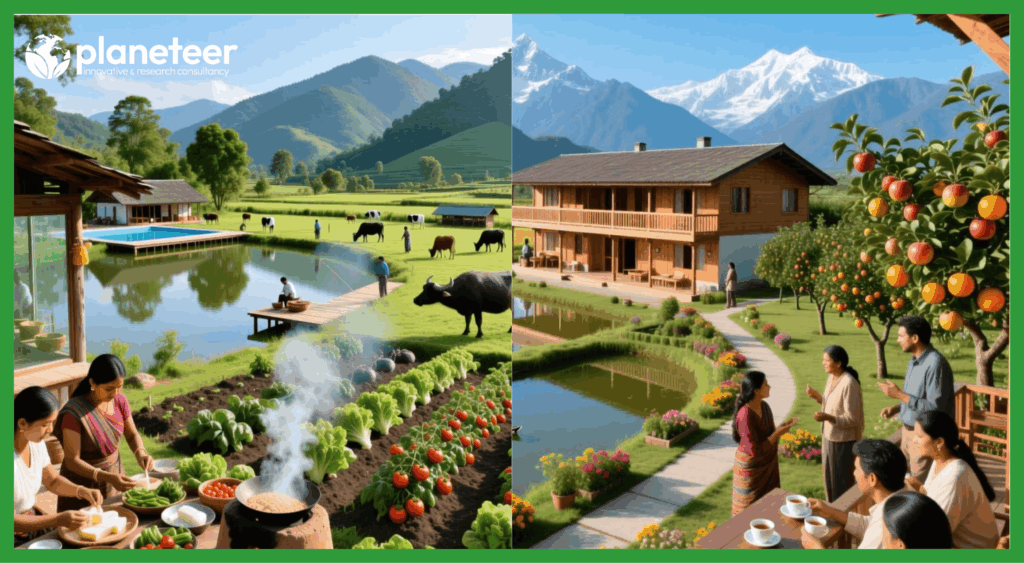
Agro-tourism (or agritourism) is a form of rural tourism where visitors experience agricultural environments firsthand. It allows tourists to:
- Stay on working farms
- Participate in daily farming activities
- Learn traditional and organic agricultural methods
- Taste fresh farm-to-table foods
- Engage in cultural exchange with local communities
In essence, it bridges the gap between urban lifestyles and rural traditions, giving travelers a deeper understanding of where food comes from, how farming works, and what life is like in Nepalese villages.
2. Why Nepal Is Ideal for Agro-Tourism
a. Agriculture as a Cultural Backbone
Agriculture is the backbone of Nepal’s economy, involving a majority of rural households. With 66 % of the population engaged in farming, the sector offers a natural foundation for community-based Agro-Tourism development and experiential stays.
b. Diverse Landscapes and Climate
Nepal’s diverse physical geography from tropical lowlands to high hills, allows a wide range of agricultural products like rice, tea, coffee, spices, fruits and vegetables to be grown. This diversity enriches the agro-tourism experience by offering unique regional activities and products.
c. Cultural Richness in Rural Areas
Nepalese rural communities uphold festivals, rituals and food traditions tied to land and seasons. Agro-tourism gives visitors an authentic cultural immersion that goes beyond sightseeing.
d. Growing Interest in Rural Experiences
Increasingly, global travelers seek authentic, off-beaten paths and meaningful experiences. Agro-tourism offers tranquility, nature interaction, local food, and cultural learning a perfect match for this trend.
3. Benefits of Agro-Tourism in Nepal
a. Economic Benefits for Farmers and Rural Communities
Agro-Tourism in Nepal creates new revenue streams for farmers by monetizing land, labor and farm products through tourism activities. Tourists spend on:
- Farm stays
- Farm tours and workshops
- Cultural programs
- Farm-to-table meals
- Local handicrafts and produce
This income diversification helps reduce dependence on traditional agriculture alone, which is often vulnerable to weather and market fluctuations.
b. Cultural Preservation and Awareness
By showcasing traditional farming methods, crafts, and rural rituals, agro-tourism plays a key role in safeguarding intangible cultural heritage. Tourists learn about local festivals, rice planting ceremonies like Asar 15, and organic food traditions that are integral parts of Nepalese identity.
c. Community Development and Education
Agro-tourism attracts investment into rural infrastructure such as roads, healthcare, and education while strengthening livelihoods. It fosters pride among community members who preserve and share their traditions with visitors.
d. Environmental and Sustainable Benefits
Agro-Tourism in Nepal encourages sustainable and eco-friendly practices such as organic farming, biodiversity conservation and soil health improvement, aligning with responsible tourism goals.
4. Types of Agro-Tourism Experiences in Nepal
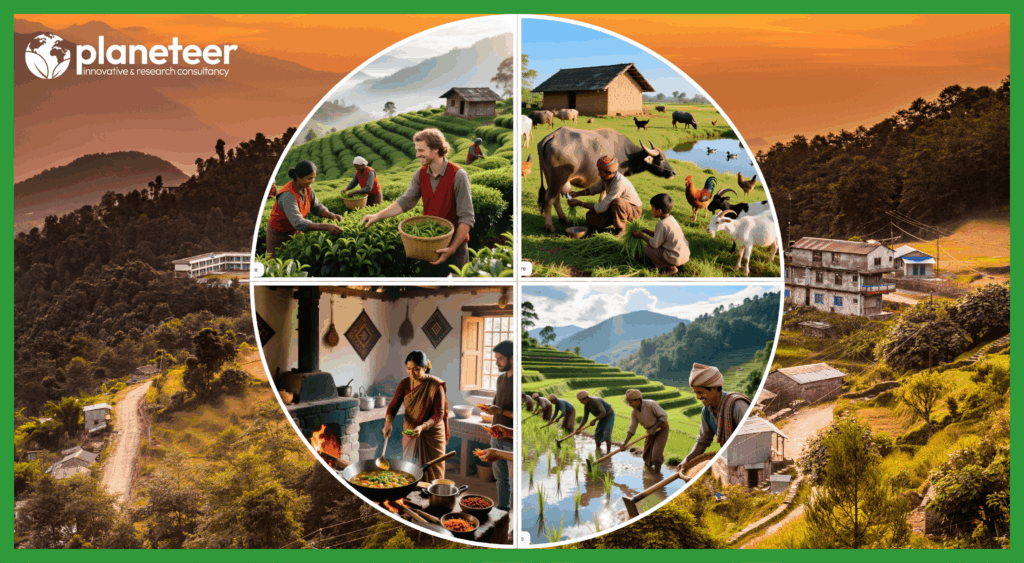
Agro-tourism in Nepal can be structured in various ways depending on the landscape, culture and farm activities. Here are some popular models:
a. Farm Stay and Homestay Experiences
Tourists stay overnight on farms or in rural homes to experience daily life, farming routines and Nepali hospitality. These stays often include:
- Participating in feeding livestock
- Helping with seasonal farming tasks
- Enjoying home-cooked farm meals
- Learning traditional cooking methods
b. Farm Tours and Hands-On Activities
Visitors can take guided walks through fields, participate in planting or harvesting, or learn techniques like composting, beekeeping, or dairy processing. These experiences are both educational and fun, connecting tourists directly with the land.
c. Culinary and Farm-to-Table Experiences
Agro-tourism often includes dining on fresh produce straight from the farm, showing the direct link between farming and food. Local traditional dishes made from freshly harvested ingredients enhance cultural connection.
d. Seasonal and Festival Experiences
Visitors can join in seasonal events like rice planting (Asar 15), harvest festivals and fruit picking, which are unique to Nepalese agrarian life.
e. Workshops and Learning Programs
Farms can host workshops about organic farming, permaculture, poultry care, fruit cultivation and more. Such programs attract tourists interested in sustainable agriculture and practical skills.
5. Key Components of a Successful Agro-Tourism Destination
To develop a farm into a thriving agro-tourism destination, certain elements are essential:
a. Authenticity and Local Culture
The core appeal of agro-tourism is authentic rural life, real farming, genuine interaction and cultural immersion, not staged performances. Keeping experiences grounded in local traditions attracts travelers who seek real meaning.
b. Comfortable Accommodation and Hospitality
Quality farm stays or homestays with basic comforts, clean facilities, and traditional hospitality make the experience enjoyable and memorable.
c. Engaging Activities
Providing visitors with hands-on experiences like crop harvesting, animal care or cooking classes makes the visit interactive rather than passive.
d. Quality Local Food and Farm-to-Table Dining
Fresh, organic food prepared traditionally connects tourists to rural life and adds value to the visit.
e. Safe Transportation and Accessibility
Good roads and clear directions are important, especially for visitors coming from cities or abroad.
f. Skilled Guide and Interpretation Services
Guides who can explain farming practices, local history, and cultural significance make the experience richer and more educational.
6. How to Start an Agro-Tourism Initiative in Nepal
Step 1: Define Your Agro-Tourism Vision
Decide what kind of experiences you want to create, farm stays, tours, workshops, culinary experiences or seasonal events. Your vision determines your infrastructure needs and target audience.
Step 2: Assess Farm Resources
Identify:
- What crops, animals, or activities visitors can experience
- Natural features like views, water bodies, forests
- Cultural practices or festivals unique to your community
These become attractions in your agro-tourism package.
Step 3: Build Comfortable and Safe Facilities
Guest accommodations, clean washrooms, dining areas and resting spaces are essential.
Step 4: Develop Activities and Itineraries
Plan farm tours, interactive workshops, nature walks, cooking classes, and seasonal experiences. Variety makes the destination attractive for repeat visitors.
Step 5: Ensure Food Hygiene and Safety
Quality farm-to-table meals need proper food preparation and hygiene. This builds confidence and promotes positive reviews.
Step 6: Marketing and Promotion

Use:
- Digital platforms and social media
- Tourism websites
- Partnerships with travel agencies
- Local tourism boards
To reach both domestic and international tourists.
Step 7: Collaborate With Local Stakeholders
Work with local governments, cooperatives, tourism boards, and community groups to increase visibility and support.
7. Case Examples and Regions in Nepal
Several regions in Nepal are emerging as agro-tourism hubs:
a. Dolakha – Stunning hills and cardamom farms provide scenic farm stays and organic experiences.
b. Kaski (Pokhara) – Organic vegetable and livestock farms near scenic lakes attract weekend travelers.
c. Chitwan – Rice plains and Tharu farms combine culture, wildlife, and farming experiences.
d. Kavre & Dhulikhel – Close to Kathmandu, ideal for short farm visits, fruit-picking and honey harvesting.
e. Jhapa & Ilam – Tea plantations and spice farms offer unique agro-tourism stays.
8. Challenges Facing Agro-Tourism in Nepal
While agro-tourism presents exciting opportunity, there are challenges:
Infrastructure Limitations
Poor rural roads, limited public transportation and accommodation shortages can deter tourists.
Capacity and Training Gaps
Farmers may lack experience in hospitality, language and tourist management. Training programs are needed.
Marketing and Visibility
Many agro-tourism sites are poorly promoted or not linked with mainstream tourism channels.
Seasonality of Tourism
Demand may fluctuate with seasons; diversification of experiences (e.g.- winter farm workshops) helps smooth income.
Balancing Culture and Environment
Protecting rural life from over-commercialization while maintaining sustainability is key.
9. Economic and Social Impact
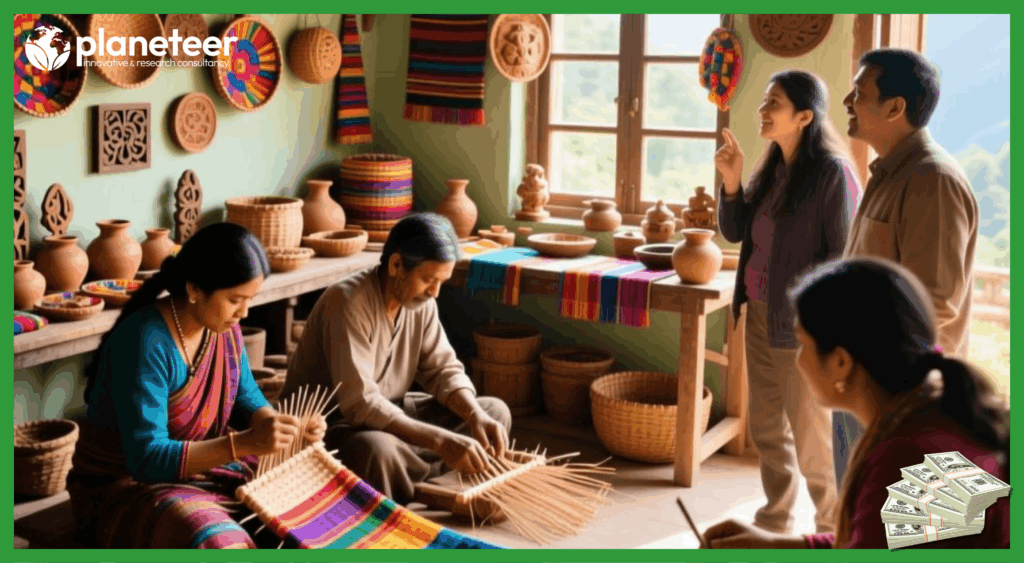
Agro-tourism has positive effects on rural communities:
- Income diversification reduces dependency on farming alone.
- Job creation for youth in hospitality and tourism services.
- Strengthening cultural heritage preservation as traditions become part of tourist experiences.
- Increased agricultural awareness among urban visitors.
Overall, agro-tourism can be a catalyst for rural economic development and sustainable tourism growth in Nepal.
Conclusion
Agro-Tourism in Nepal offers a transformative way to turn farms into living tourist destinations that celebrate culture, nature and food traditions. It bridges agriculture and tourism, creating meaningful experiences for visitors while generating income, preserving heritage and empowering rural communities.
With careful planning, quality hospitality, engaging activities and strong marketing, agro-tourism has the potential to become a flagship form of sustainable tourism in Nepal, benefiting both farmers and travelers alike. If you’re ready to explore agro-tourism opportunities in Nepal, start by mapping your farm’s strengths, connecting with local tourism boards, and building engaging experiences that highlight your culture, produce and hospitality.