

A New Era of Agribusiness in Nepal
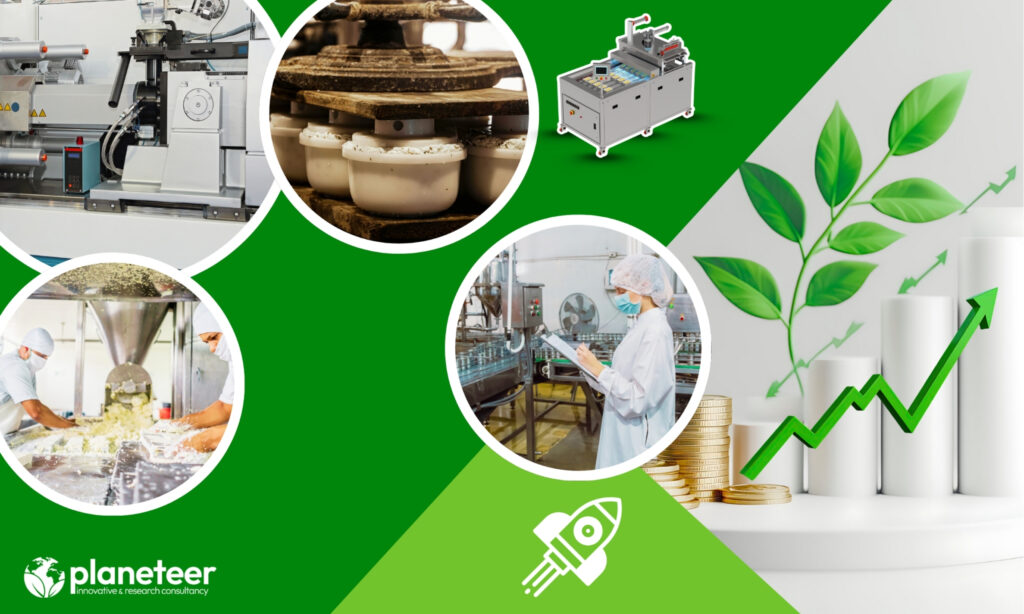
Agriculture remains the backbone of Nepal’s economy, supporting over 65% of the population. However, traditional methods limit productivity and income potential. Modern technology, from sensor-based farms to automated agro-processing factories – is transforming Nepal’s agribusiness sector, enabling farmers and agripreneurs to increase efficiency, reduce costs and improve profitability.
This comprehensive guide will cover:
- Digital tools and precision farming
- Modern farm setups with advanced machinery
- Agricultural factories like mustard, soybean and sunflower oil production
- Local food processing units with modern technology
- Benefits for farmers, agripreneurs, and the national economy
1. Modern Farm Setups Using Advanced Machinery
1.1 Smart Farms for Higher Productivity
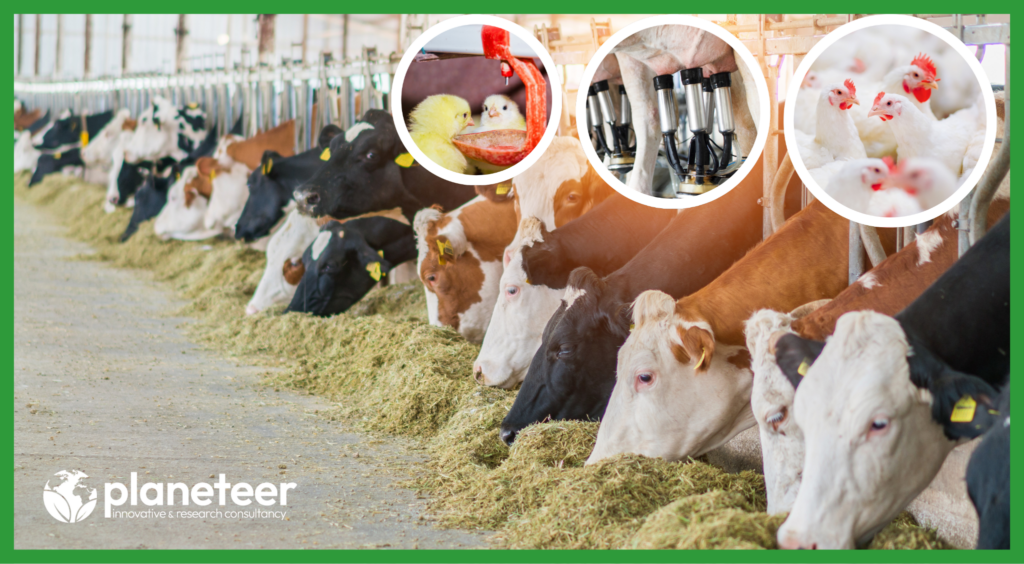
Modern farm setups integrate automated irrigation systems, milking machines, feed dispensers, and climate-controlled barns, particularly for dairy and poultry farms. This saves labor, reduces time and increases output.
For example:
- Automated milking and feeding machines: Reduce labor by up to 40% and improve milk yield consistency
- Climate-controlled poultry houses: Protect birds from temperature fluctuations, increasing egg production
- Sensor-based irrigation: Optimizes water use and enhances crop growth
1.2 Benefits for Farmers
- Less manual labor, more efficient operations
- Reduced operational errors and wastage
- Faster scalability for commercial farms
- Predictable production and higher income
2. Precision Agriculture and Data-Driven Farms
Modern farms use IoT devices, soil sensors, drones, and satellite monitoring to manage crops precisely. These tools:
- Detect soil nutrient levels
- Monitor crop health
- Provide alerts on pest infestations and weather risks
Outcome: Farmers can make informed decisions, reduce input costs and increase yields, making their farms more profitable and sustainable.
3. Agricultural Factories: Oil and Food Processing Units
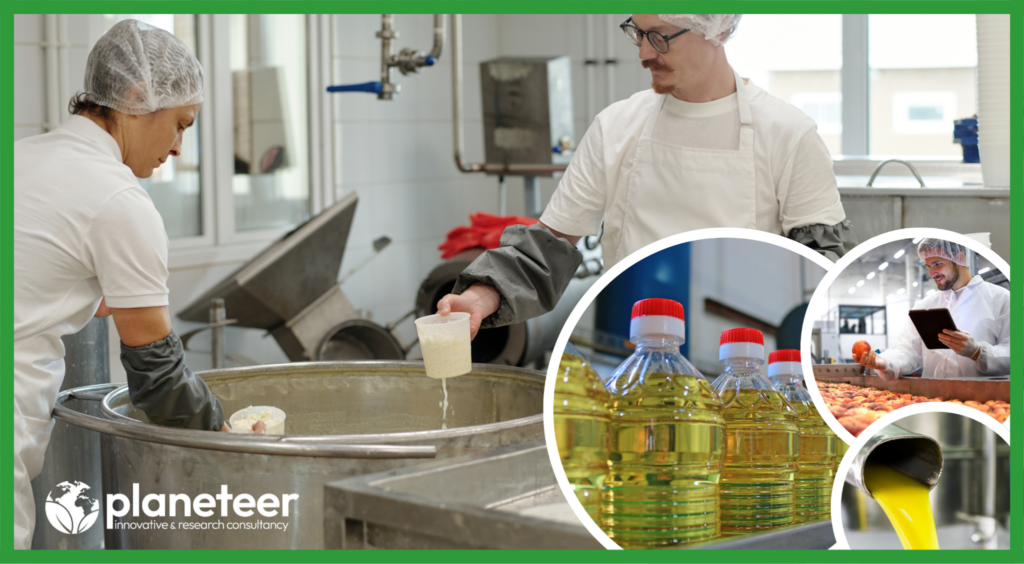
Planeteer Innovative provides modern, time-saving and high-productivity machinery solutions for agribusinesses across Nepal. Beyond farms, technology-driven agro-processing factories are key for value addition. These include:
3.1 Mustard, Soybean and Sunflower Oil Factories
Setting up modern oil extraction factories enables local farmers to process crops like mustard, soybean, and sunflower into high-quality edible oil.
Key technologies used:
- Mechanical seed crushers with high extraction efficiency
- Filtration and refining units for food-grade oil
- Packing and labeling machines for retail-ready products
Benefits:
- Adds significant value to raw crops
- Increases farmers’ profit margins
- Reduces dependency on imported oil
3.2 Local Food Processing Industry
Modern machinery and technology also empower local food businesses to process:
- Dairy products like cheese, chhurpi, ghee
- Ready-to-eat snacks and sweets
- Fruit and vegetable preservation (juices, pickles, dehydrated products)
Technologies used:
- Vacuum packing machines and MAP tray sealing for freshness
- Automatic mixers and filling machines for sweets and snacks
- Cold storage and refrigeration systems for perishable products
Impact:
- Reduced post-harvest losses
- Longer shelf-life and higher marketability
- Ability to target urban and export markets
4. Integration of Farms and Factories: The Agribusiness Ecosystem
Modern agribusiness in Nepal is no longer just about cultivation, it’s about creating integrated farm-to-factory systems. Example:
- Farmers grow soybean or sunflower using modern farm setups
- Crops are collected and processed in a local oil factory
- Finished products are packaged using MAP tray sealing or vacuum packing machine
- Products are sold directly to urban or export markets
This vertical integration maximizes value, increases profit margins and strengthens rural economies.
5. Digital Tools Supporting Agro-Industries
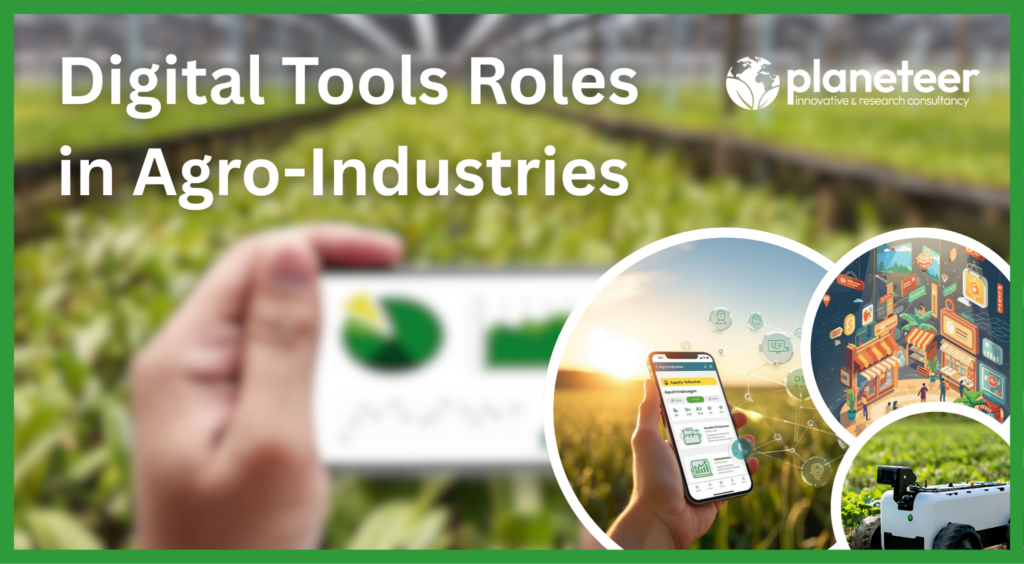
To run these farms and factories efficiently, technology plays a vital role:
- ERP and inventory management systems: Track production, storage and sales
- Mobile apps for supply chain coordination: Connect farmers, transporters and factories
- Online marketplaces: Expand product reach beyond local markets
Result: Farmers and agripreneurs can scale operations, reduce errors, and make business decisions backed by real data.
6. Real-Life Examples in Nepal
- Dairy Farms in Chitwan and Nawalparasi: Automated milking systems increase milk yield and reduce labor costs
- Sunflower Oil Processing Units in Terai: Mechanical extraction and refining allow local farmers to earn higher profit margins
- Local Food Industries in Kathmandu Valley: Use vacuum packing and modern machinery to preserve sweets, dairy products, and fruits for urban markets
These examples show that technology adoption increases productivity, reduces waste and strengthens income stability.
7. Benefits of Modern Technology in Farms and Factories
| S.N. | Area | Benefits |
| 1. | Modern Farms | Saves time, reduces labor, increases output |
| 2. | Precision Agriculture | Optimizes resources, increases yield, prevents losses |
| 3. | Oil Factories | Adds value to raw crops, improves marketability |
| 4. | Food Processing | Extends shelf-life, reduces waste, targets urban/export markets |
| 5. | Integrated System | Creates sustainable agribusiness ecosystem, boosts rural economy |
8. Challenges and Solutions
Challenges:
- Limited digital literacy in rural areas
- High initial investment for modern machinery and factories
- Infrastructure gaps (electricity, internet)
Solutions:
- Company like Planeteer Innovative support for technology adoption
- Financing and loans for machinery and factory setup
- Training programs for farmers and agripreneurs
9. Economic Impact on Farmers and Nepal
Farmers:
- Higher income from better productivity and value-added products
- Improved quality of life and access to markets
- Job creation for youth in rural areas
Nepal’s Economy:
- Reduced imports through local production
- Growth in exports of high-quality agricultural products
- Strengthened rural economy and employment
10. Conclusion
Technology in Nepal’s agribusiness sector is reshaping farms and factories alike. From automated modern farms to oil extraction units and local food processing industries, modern technology helps farmers and agripreneurs:
- Increase productivity and efficiency
- Save time and reduce labor costs
- Add value to raw products
- Access larger markets and better prices
This transformation is a win-win for farmers, agripreneurs and the national economy. By embracing modern technology, Nepalese agribusiness can thrive, improve rural livelihoods and become globally competitive.