


A Traditional Product with Global Potential
Nepal is home to many traditional food products, but very few have gained both national pride and international demand like chhurpi. Once known mainly as a hard cheese eaten in mountain villages, chhurpi has now become a high value dairy product exported to many countries. Today, the Nepali Chhurpi Business is emerging as a strong opportunity for farmers, cooperatives and entrepreneurs, who want to build a sustainable agribusiness using local resources.
This blog explores the history of Nepali chhurpi, its production process, quality standards, national and international market prices, key players and most importantly, how Nepali people or new players can start chhurpi as a profitable business. All information is presented in simple words, with a focus on real market practices and practical understanding.
Understanding Chhurpi: Nepal’s Traditional Dairy Treasure
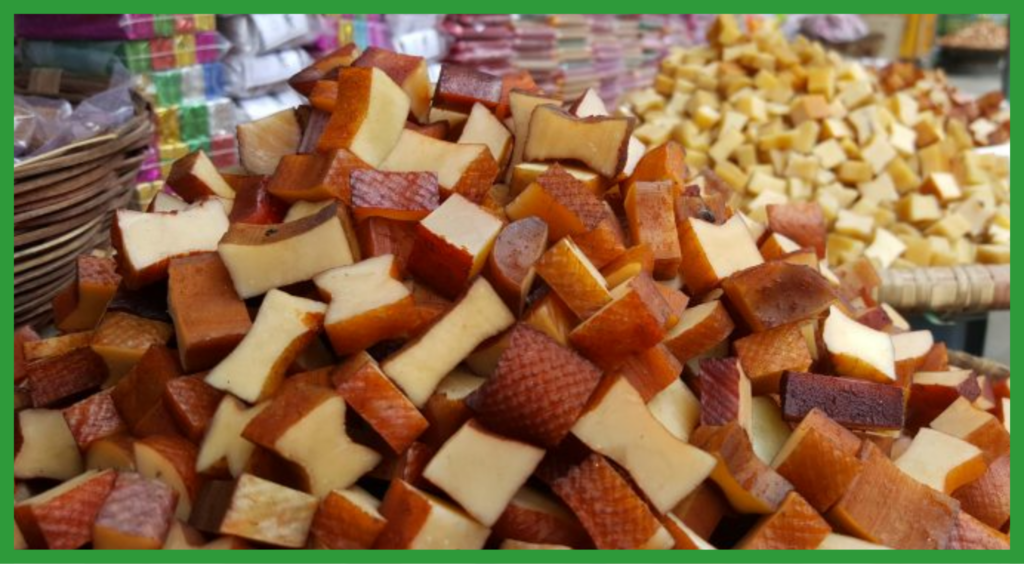
Chhurpi is a traditional cheese made from cow milk or yak milk, especially made in the Himalayan and hill regions of Nepal. In mountain areas, yak milk chhurpi is more common, while in hill and mid-hill regions, cow milk chhurpi dominates production.
Traditionally, chhurpi was produced for household consumption and local trade. Over time, its long shelf life, high protein content, and unique texture attracted attention beyond Nepal. This shift slowly transformed chhurpi from a local food into a commercial product, laying the foundation for the modern Nepali Chhurpi Business.
A Brief History of Chhurpi in Nepal
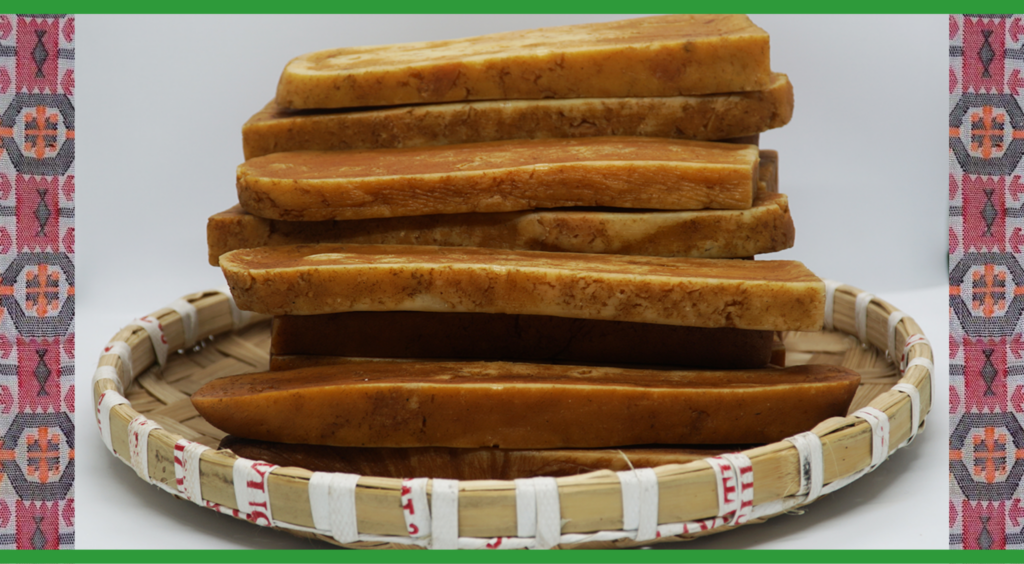
The origin of chhurpi dates back several centuries in Nepal’s Himalayan belt, where communities needed long-lasting dairy products to survive harsh winters. By removing moisture and compressing curd, people created a hard cheese that could be stored for months.
For decades, chhurpi remained a subsistence product. However, around the early 2000s, exporters discovered that hard chhurpi is popular as a natural dog chew in international markets. This discovery changed everything.
Since then, the Nepali Chhurpi Business has grown rapidly, especially in eastern Nepal, Gandaki Province, and mountain districts where milk supply is strong.
Types of Chhurpi Produced in Nepal
Nepal mainly produces two types of chhurpi:
Soft Chhurpi
Soft chhurpi is consumed locally. It is chewy, slightly sour, and eaten as a snack or cooked with vegetables. This type of chhurpi is popular in villages and local markets.
Hard Chhurpi
Hard chhurpi is dry, solid and extremely durable. This is the type mainly used for export, especially as a natural pet chew. Hard chhurpi is the backbone of the Nepali Chhurpi Business in international trade.
Step-by-Step Process of Chhurpi Production in Nepal
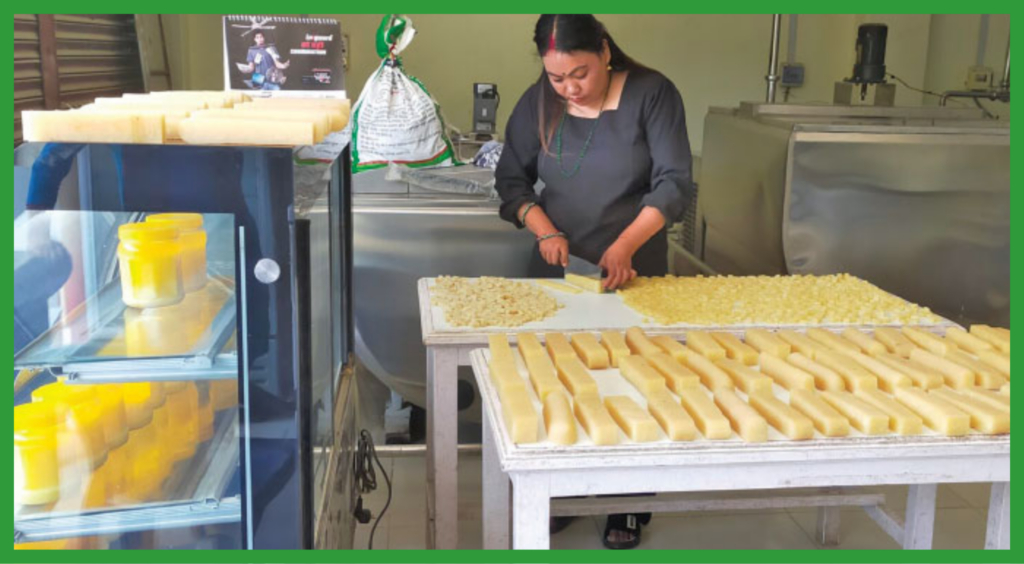
Understanding the production process is important for anyone planning to enter the Nepali Chhurpi Business.
- Milk Collection : Fresh milk is collected from cows or yaks. Milk quality is very important, as poor-quality milk results in low-quality chhurpi.
- Boiling of Milk : The collected milk is boiled properly to ensure safety and improve curd formation.
- Curdling Process : The boiled milk is curdled using natural souring agents or whey until curd forms.
- Separation of Curd and Whey : Once the curd forms, it is separated from the whey.
- Pressing and Moisture Removal : The curd is placed in cloth or molds and pressed to remove excess moisture. This step determines the texture and hardness of the chhurpi.
- Cutting into Blocks (for Hard Chhurpi) : For hard chhurpi, the pressed curd is cut into blocks.
- Drying Process : The blocks are sun-dried or air-dried for several weeks. Proper drying is essential to prevent fungal growth and to ensure a long shelf life.
- Trimming and Cleaning : After drying, the chhurpi is trimmed and cleaned to remove rough edges or impurities.
- Packaging and Storage : Finally, the chhurpi is packed for storage or export. In commercial production, hygiene, temperature control, and moisture management are critical.
How to Identify High-Quality and Low-Quality Chhurpi
In the Nepali Chhurpi Business, quality directly affects price and market access.
High-quality chhurpi has:
- Uniform shape and color
- Very low moisture content
- No cracks, mold or foul smell
- Clean surface and firm structure
Low-quality chhurpi often shows uneven drying, discoloration, fungal spots and bad odor. International buyers strictly reject such products.
Maintaining quality in product requires food safety practices, clean equipment, proper drying space and trained workers.
National Market of Chhurpi in Nepal
Within Nepal, chhurpi is sold in:
- Local markets
- Mountain and hill towns
- Dairy shops
- Tourist areas
Soft chhurpi mainly serves the domestic market. Prices vary by region, milk source and season. On average, soft chhurpi sells at NPR 800 to NPR 1,500 per kg in local markets.
The domestic market is stable but limited. The real growth of the Nepali Chhurpi Business comes from exports.
International Market Demand for Nepali Chhurpi
The international market has transformed the Nepali Chhurpi Business into a high-value export sector.
Major importing countries include:
- United States
- Germany
- Netherlands
- United Kingdom
- Canada
- Australia
In these countries, hard chhurpi is sold as a natural, chemical free dog chew. Consumers prefer it because it is long-lasting, protein-rich and safer than artificial chews.
Demand continues to rise as pet owners seek organic and sustainable products.
International Market Price of Nepali Chhurpi
International prices are significantly higher than local prices.
At the export level, hard chhurpi is sold from USD 8 to USD 15 per kg, depending on quality, certification and order volume.
At retail level in foreign markets, chhurpi dog chews are sold at much higher prices per piece, creating strong value addition.
This price gap shows why the Nepali Chhurpi Business holds strong profit potential when quality and compliance are ensured.
According to the Department of Customs, Nepal exported 2,265 tonnes of chhurpi worth around NPR 3.99 billion in the first 11 months of the 2024/25 fiscal year, nearly matching the country’s tea export value. This marks a strong expansion from 1,646 tonnes worth NPR 3.18 billion in the previous fiscal year.
Who Are the Key Players in the Chhurpi Market?
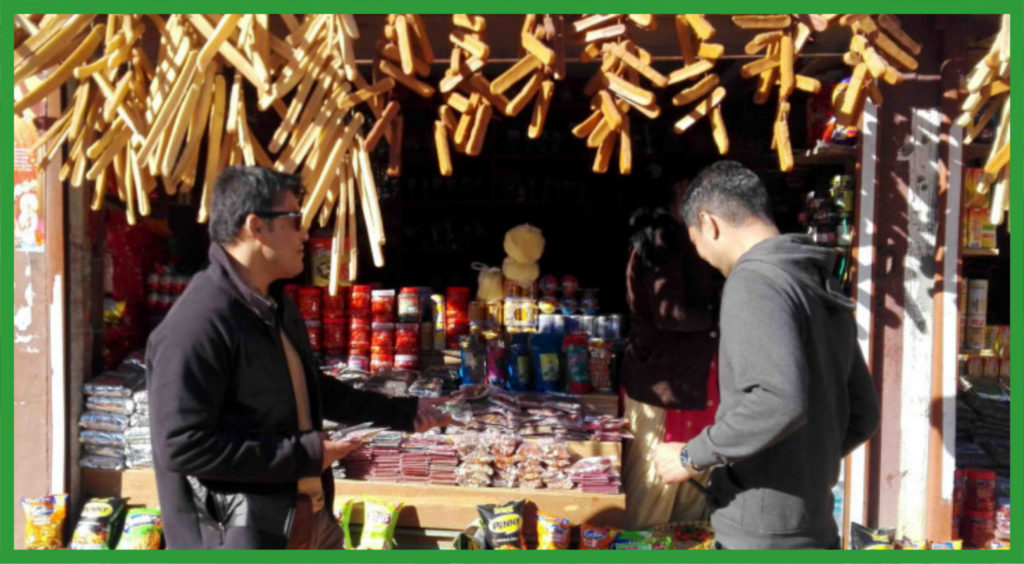
The Nepali Chhurpi Business ecosystem includes:
- Dairy farmers and yak herders
- Local collectors and cooperatives
- Processing units
- Exporters and traders
- International distributors and pet brands
Cooperatives play a key role by collecting milk, maintaining consistency and linking farmers with processors.
Notable Exporters & Brands
- Himalayan Natural Food Products and Export Pvt. Ltd. – Manufacturer, exporter, export quality chhurpi and dog chew products based in Kathmandu.
- Godawari International Pvt. Ltd. – Exports chhurpi to markets including India, Japan, Taiwan, Canada and the United States.
- Dog Chew Store (multiple outlets in Kathmandu) – Retail and export supply of finished dog chew products.
- Himalayan Dog Chew (wholesale/retail) – Engaged in export distribution and bulk supply.
- Other smaller processors/export brands – listed in trade directories actively ship chhurpi internationally under various packaging and brand names.
Additionally, there are dozens of chhurpi exporters across Nepal industry insiders estimate around 40-50 companies involved in production and export operations, especially in eastern hill districts where yak and cow milk supply is more concentrated.
How Nepali People Can Start Chhurpi as a Business
Starting a Nepali Chhurpi Business does not always require large investment. Small-scale production can begin at community or cooperative level.
The basic requirements include:
- Reliable milk supply
- Clean processing space
- Simple pressing and drying equipment
- Training in hygiene and quality
- Market linkage
As the business grows, entrepreneurs can invest in better drying chambers, packaging and certifications.
Challenges in the Nepali Chhurpi Business
Despite its potential, the sector faces challenges.
Milk supply fluctuates seasonally. Quality control is still weak in some areas. Many producers lack knowledge of export standards. Certification and testing costs can also be high for small producers.
However, these challenges can be addressed through training, technical support and collective action.
Opportunities for Growth and Value Addition
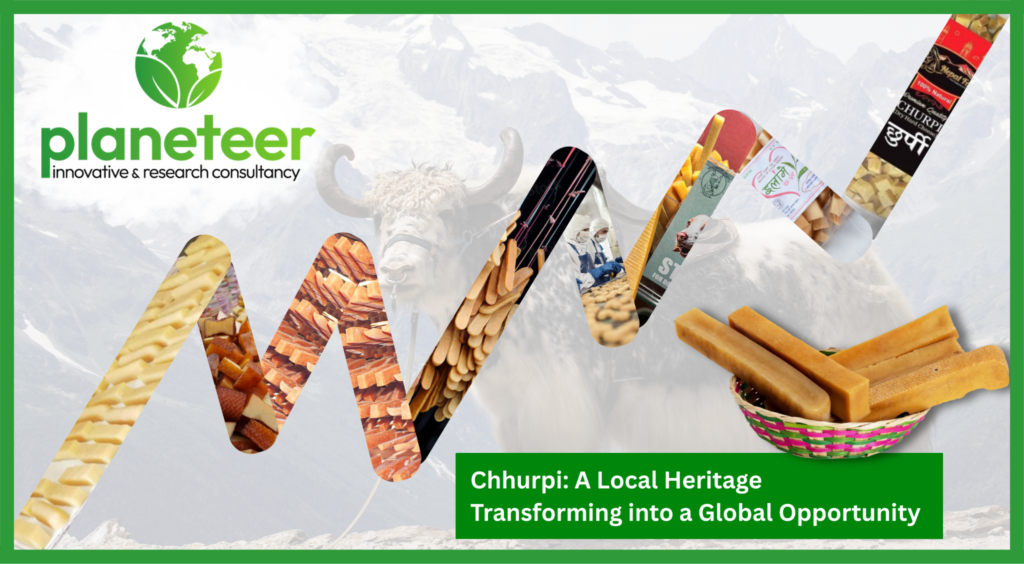
The future of the Nepali Chhurpi Business is promising.
There is strong opportunity in:
- Branded chhurpi products
- Certified organic chhurpi
- Cooperative-based processing units
- Export-oriented quality improvement
- Linking chhurpi with Nepal’s identity as a himalayan product
With proper support, chhurpi can become one of Nepal’s flagship dairy exports.
Role of Knowledge and Technology in Chhurpi Business
Modern food safety systems, quality testing, and proper packaging can significantly increase trust in Nepali chhurpi. When producers understand hygiene, moisture control and traceability, they gain access to better markets.
This is why capacity building and technical guidance training are important for strengthening the Nepali Chhurpi Business.
Conclusion
The journey of chhurpi from a traditional mountain food to a global product, shows how local knowledge can create international value. The Nepali Chhurpi Business offers farmers and entrepreneurs a real chance to increase income for their better livelihood, preserve tradition and contribute to Nepal’s agrifood economy.
With expanding worldwide demand, better quality standards, and growing awareness, chhurpi stands as an example of how Nepal’s traditional cuisine may prosper in modern markets.