Dhedo

Sel roti

Kinema
Nepal is a treasure trove of indigenous foods, each carrying a legacy of cultural identity, health benefits, and sustainability. From the high-altitude Himalayan diet to the rich plains of the Terai, indigenous food practices have been shaped by geography, climate, and cultural diversity. However, with globalization and modernization, many Nepali traditional foods are at risk of fading away. At Planeteer Innovative and Research Consultancy Pvt. Ltd., we are committed to researching and documenting these foods to ensure they remain an integral part of Nepal’s future.
The Rich Diversity of Nepal’s Indigenous Foods
1. Himalayan Delicacies: Nourishment from the Mountains

The mountainous regions of Nepal offer a range of unique food items that provide warmth and sustenance in harsh climates. Some of the most famous Nepali traditional foods include:
Gundruk – Fermented leafy greens, rich in probiotics and an essential winter food.
Sinki – Fermented radish root used in stews and soups.
Chhurpi – A hardened cheese made from yak milk, used as a snack or added to soups for extra flavor.
Tsampa (Roasted Barley Flour) – A staple food of Tibetan communities, mixed with butter tea for energy
2. Indigenous Foods of the Hills and Mid-Hills

The hilly regions of Nepal have an abundance of unique ingredients and traditional food practices:
Dhido – A thick porridge made from millet or buckwheat flour, a staple among rural communities.
Kwati – A sprouted bean soup, often consumed during the festival of Janai Purnima for its nutritional benefits.
Jand and Raksi – Local fermented beverages made from millet, rice, or maize, integral to Newari and Magar cultures.
Kinema – A naturally fermented soybean dish popular among Rai and Limbu communities, known for its strong aroma and high protein content. Kinema is typically cooked into a stew or stir-fried with spices, offering a nutritious and flavorful dish.
Thon (Traditional Fermented Rice Beer) – Consumed by indigenous communities during rituals and celebrations.
3. Terai’s Indigenous Foods: The Heartland of Agriculture

The Terai region, Nepal’s agricultural belt, has its range of Indigenous foods that define local communities:
Sidhara – Sun-dried fish and taro leaves, commonly used in local curries.
Bagiya – A steamed rice flour dumpling stuffed with lentils, popular among the Tharu community.
Kodo Ko Roti (Millet Flatbread) – A high-fiber, gluten-free bread that provides essential nutrients.
Pakuwa and Ghungi – Smoked meat and freshwater snails, delicacies enjoyed by Tharu communities.
Nutritional and Health Benefits of Indigenous Foods
Many Nepali traditional foods are naturally rich in fiber, probiotics, and essential nutrients. For example:
Indigenous drinks like Jand contain natural probiotics, aiding digestion.
Fermented foods like Gundruk and Sinki promote gut health.
Millet-based foods such as Dhido are gluten-free and beneficial for diabetes management.
Challenges and the Need for Preservation of Nepali traditional food
Despite their cultural and health significance, Nepali traditional foods are gradually being replaced by processed and imported alternatives. Some major challenges include:
Modernization and Fast Food Culture – Processed foods have become more convenient, reducing interest in traditional diets.
Loss of Traditional Knowledge – Younger generations are shifting away from traditional food preparation methods.
Market Availability – Many indigenous ingredients are not widely available in urban markets.
Our Role in Preserving Indigenous Foods
At Planeteer Innovative and Research Consultancy Pvt. Ltd., we are actively working to document and promote Indigenous foods through:
Collaboration with Farmers – Supporting local farmers in cultivating and marketing indigenous crops.
Research and Documentation – Conducting field studies and surveys to record food preparation methods and their cultural significance.
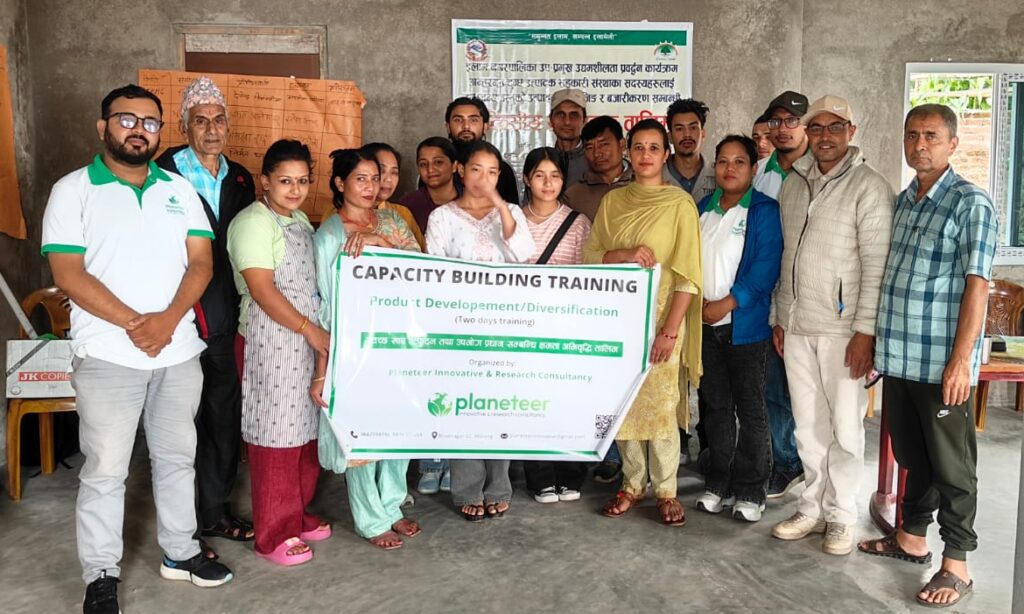
Workshops and Training – Educating farmers, chefs, and communities on the nutritional and commercial value of Nepali traditional food.
Conclusion: A Call to Action
INepali traditional foods are not just a part of Nepal’s history; they are key to a sustainable and healthy future. By embracing and promoting these foods, we can preserve our rich culinary heritage while also ensuring food security and improved nutrition.
If you are interested in learning more or collaborating on research related to the indigenous foods of Nepal, reach out to us at Planeteer Innovative and Research Consultancy Pvt. Ltd. Let’s work together to keep Nepal’s food traditions alive for generations to come!