Innovation starts when local knowledge meets practical guidance.
Across Nepal, thousands of small dairy and maize processors work hard every day to produce foods that feed their communities. But many of them struggle with limited knowledge, outdated practices and almost no access to scientific guidance.
When the project प्रविधि संग सहज पहुँच (Easy Access to Technology) started under the SAHAJ Challenge Fund, it aimed was to solve a simple but powerful Nepal’s agribusiness development problem. “How can we bring better technology, safer practices, and new skills to the people who keep Nepal’s agrifood system (Nepal’s agribusiness development) running?” What followed became a journey of transformation, not just for enterprises, but for farmers, women entrepreneurs, youth, cooperatives and entire communities.
Understanding Real Problems Through Field Surveys
Before any training or research began, the Planeteer Innovative project team traveled across different eight districts of Koshi Province. We visited dairy industries, small processors, maize-based factories, feed mills, cooperatives and local governments.
We listened.
People shared their struggles:
- Difficulty maintaining cleanliness
- Lack of proper food safety knowledge
- Limited product choices
- Machines but no idea how to operate them properly
- Big dreams but very little technical support
These conversations became the foundation of the entire project. Instead of guessing what the sector needed, the project used real stories and real data to design practical solutions.
Training That Improved Skills and Built Confidence
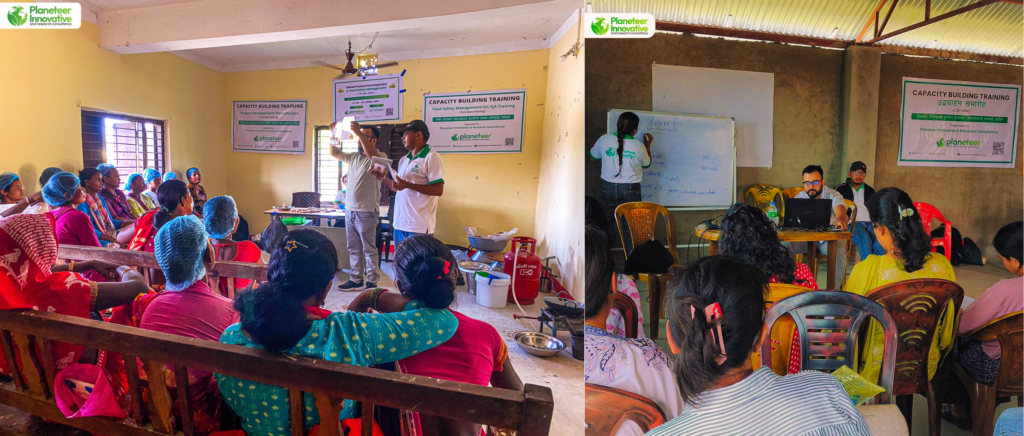
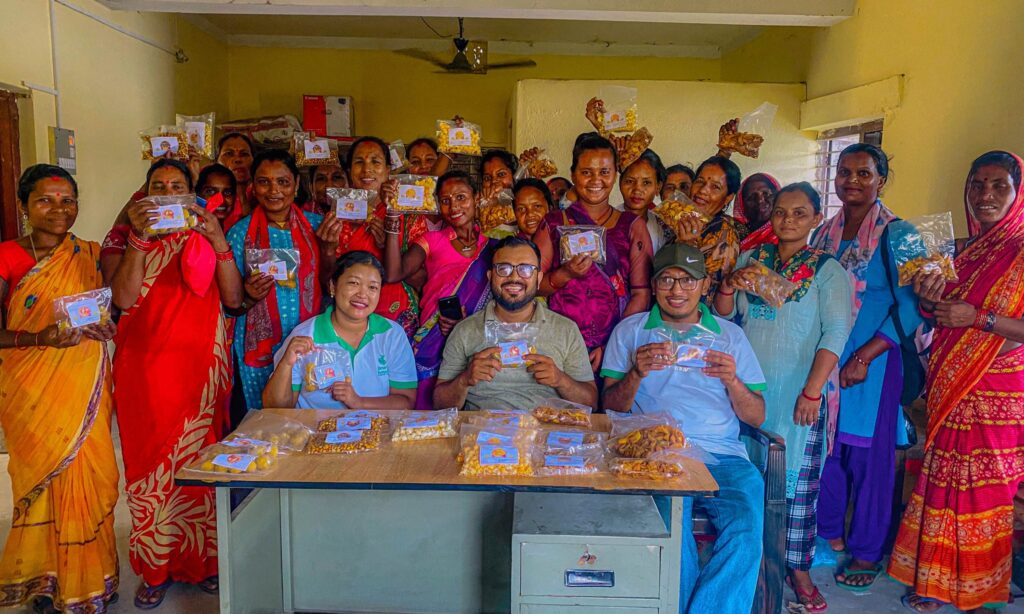
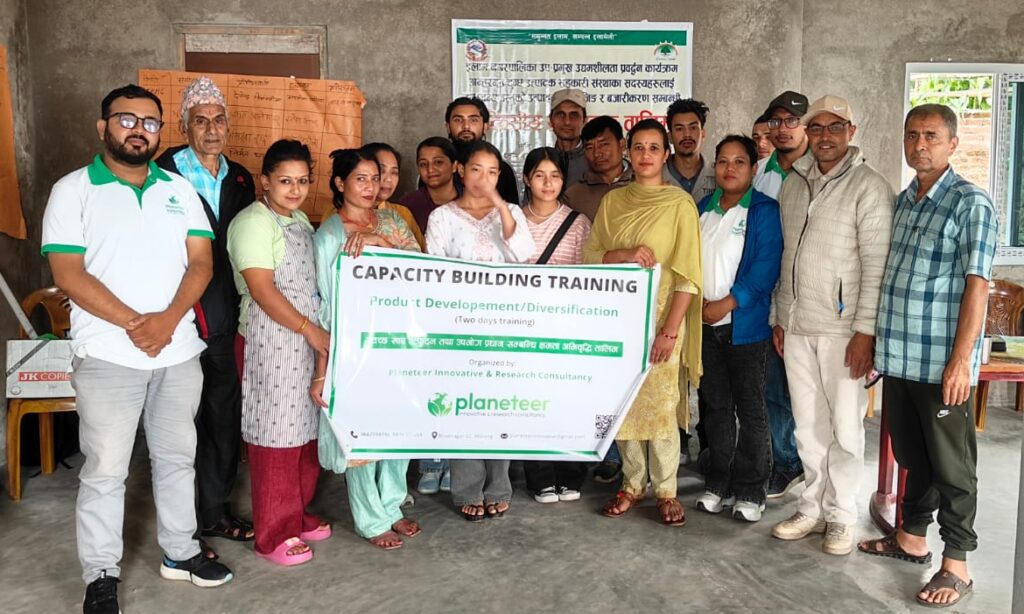
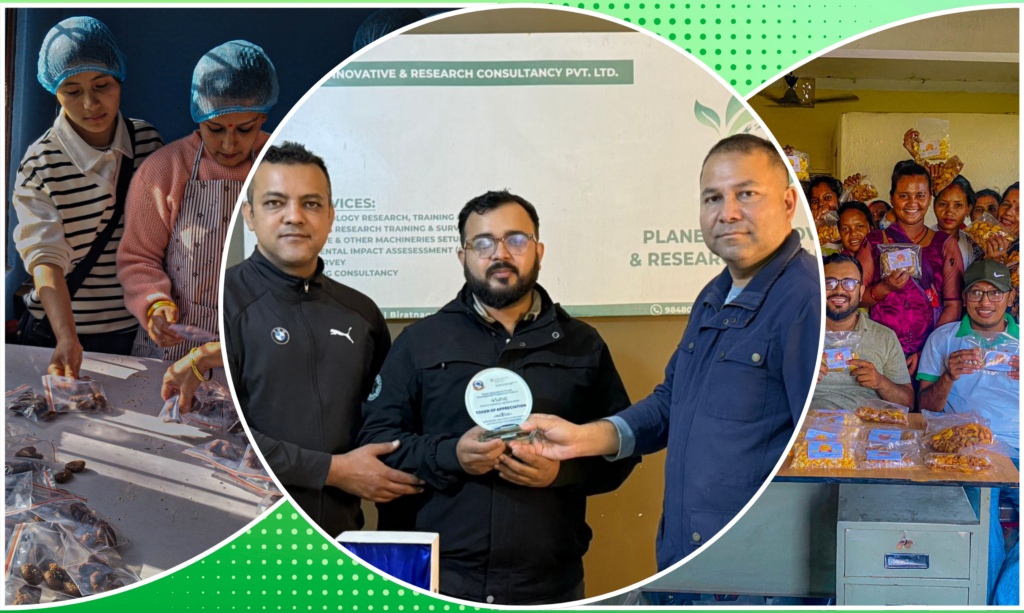
Over several months time period, the project organized 14 onsite trainings across different location of the dairy and maize value chains. These hands-on sessions helped participants learn practical ways to improve their production, diversify their products, meet food safety standards, and contribute to Nepal’s agribusiness development in a real and meaningful way.
For many participants, this was their first experience learning:
- How to prevent contamination
- How to maintain Good Manufacturing Practices
- How to create new dairy and maize-based products
- How to understand food quality parameters
- How to reduce losses and improve consistency
Women and youth participated actively.
They asked questions, shared experiences and explored new possibilities.
One common response participants shared:
“We learned things here that we never learned in school or work. This training will stay with us.”
These small learnings created big changes in their work.
New Product Development: Turning Local Ingredients into Market Opportunities
The project carried out scientific research to explore value addition using local resources. Two research studies were completed:
- Moringa-enriched mohi (buttermilk) – A healthier version of a traditional drink with improved nutrients.
- Maize flour cookies enriched with kinema – A creative fusion of local grains and fermented foods.
These products proved that innovation can come from our own ingredients.
Local foods, when improved with professional guidelines, can become nutritious, ready for market, profitable and impact for Nepal’s agribusiness development.
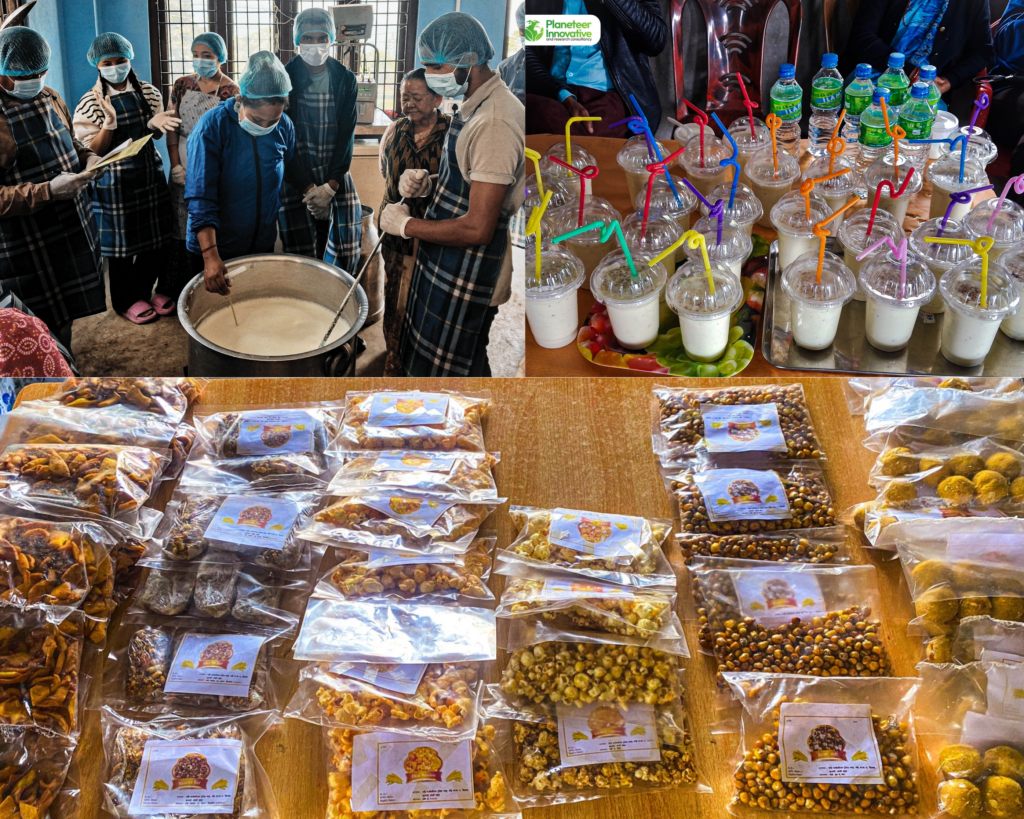
Why This Project Mattered for Communities
The project added value in many ways:
People gained practical knowledge: Small processors learned how to improve cleanliness, use machines properly, diversify products and maintain safety.
Women became more confident: In places like Gadhi Rural Municipality, women entrepreneurs worked with maize products and realized they could turn small ideas into income opportunities.
Local products improved: Dairy and maize products became safer, better in quality and more suitable for the market.
Communities understood the value of scientific support: Many processors shared that they had never received professional guidance before. Now they know how “good practice” actually looks like.
Collaboration increased: Municipalities, industries, cooperatives, and experts began communicating more actively, making the value chain stronger.
This project didn’t just train people, it changed and impacted their lifestyle, how they think about their business and their future.
Supporting Nepal’s Agribusiness Development
The positive impact of this project shows a bigger truth:
Nepal’s agribusiness development can happen when people have access to knowledge, technology and practical training.
When processors understand food safety, when they learn to diversify products, and when they feel supported the entire sector becomes stronger, safer and more competitive.
This project became an example of how:
- A small initiative can inspire big improvements
- Scientific learning can reach rural communities
- Local products can become market-ready
- Women and youth can lead innovation
- Nepal’s agrifood system can move toward a more sustainable and modern direction
It showed that change doesn’t require only large factories or huge investments. Sometimes all it takes is guidance from experts, trust and the willingness to learn.
A Step Toward Nepal’s Food System Transformation
As the project concluded, its impact continues to grow. The skills gained during the training, the new knowledge about hygiene and production, and the confidence participants developed will support them throughout their lives. This learning is already helping improve both the dairy value chain and the maize value chain in the communities we serve. When people receive the right guidance at the right time, especially through practical food safety training they can transform their work, uplift their community, and contribute meaningfully to Nepal’s agribusiness development and the future of our agrifood sector.
Nepal’s agribusiness system is full of potential and projects like these help unlock it, one skill, one idea and one person at a time.
Conclusion
This journey of transformation proves that Nepal’s agribusiness development thrives when people gain access to the right knowledge, technology, and practical guidance. By strengthening dairy and maize value chains, improving food safety, and encouraging local innovation, communities are becoming more confident, skilled and competitive. Small initiatives, focused on learning and collaboration, can create lasting impact, showing that Nepal’s agrifood sector has immense potential to grow sustainably, inclusively and innovatively.