

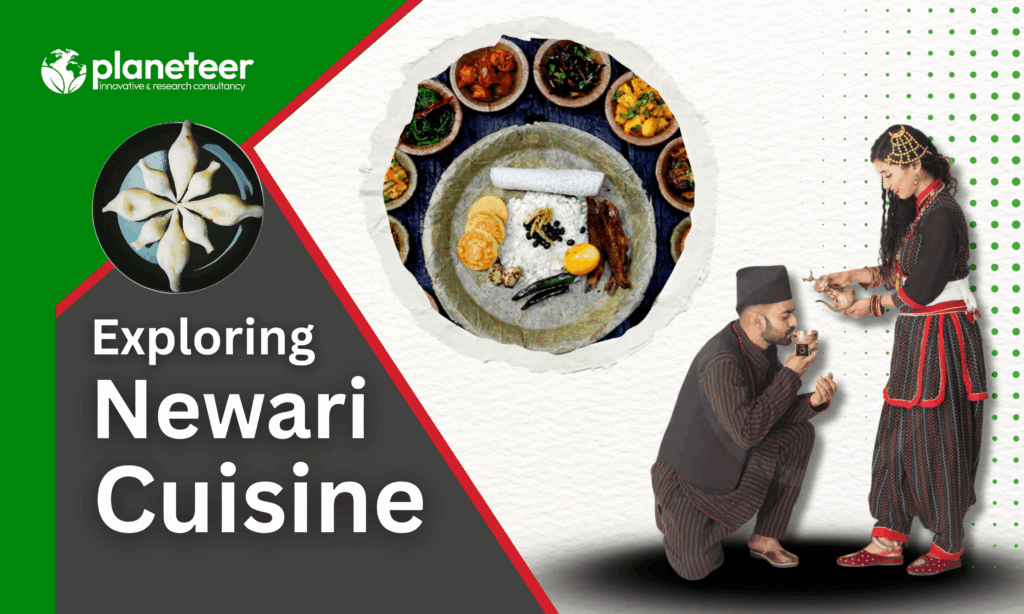
“Newari cuisine preserves Nepal’s heritage through flavor”
Nepal is known for its diverse cultural traditions and vibrant food heritage and at the heart of this culinary mosaic lies Newari cuisine, the traditional food culture of the Newar community of the Kathmandu Valley. Far more than just meals, Newari food reflects history, rituals, festivals, and social identity that have been preserved for centuries.
From everyday staples nourishing families to elaborate banquet platters served at festivals, Newari cuisine stands out for its rich flavors, layered textures, and symbolic presentations that connect food with spirituality and social life. Whether you’re a visitor to Nepal or a local food lover, exploring Newari food is like taking a journey through Nepal’s cultural soul.
1. What Makes Newari Cuisine Unique?
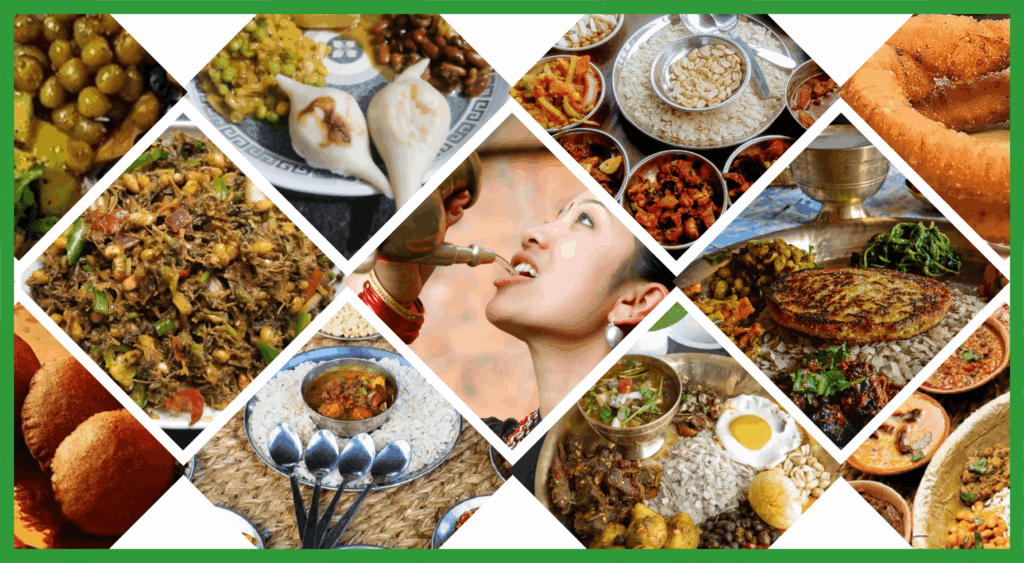
Newari food is more than just local dishes, it is a culinary tradition shaped by history, community rituals and seasonal celebrations. It combines:
a. Variety and Diversity
Newari cuisine includes a wide range of preparations, from simple everyday meals to complex ceremonial feasts.
b. Rich Use of Local Ingredients
Staples such as rice, lentils, seasonal vegetables, herbs and buffalo meat feature prominently. Spices like turmeric, fenugreek, garlic, and mustard oil are widely used to create deep and vibrant flavors.
c. Fermentation and Preservation
Fermented foods like Gundruk (fermented leafy greens) and drinks like Thwon, Ayla (rice beer) show the Newars’ deep understanding of fermentation for both flavor and nutrition.
d. Ritual and Culture Integration
Many dishes are tied directly to religious festivals, social customs, and life‑cycle rituals; food is a medium for spiritual offerings as well as celebration.
2. Daily Foods vs. Festive Dishes in Newari Cuisine
Daily Staples
Even everyday meals have distinctive flavors in Newari households:
- Baji (Beaten Rice): Flattened rice served with various accompaniments.
- Ken (Lentil Soup): A comforting pulse soup typical in daily meals.
- Vegetable Curries: Seasonal greens and local vegetables cooked with spices.
- Gundruk and Sinki: Traditional fermented vegetables giving earthy, tangy notes.
Festive and Ceremonial Foods
Newari festivals are culinary spectacles where food is central:
- Samay Baji: A ceremonial and highly symbolic platter that includes beaten rice, grilled meat, pickles, beans and eggs, often served at major festivals like Indra Jatra and Dashain.
- Yomari: Steamed rice flour dumplings filled with jaggery and sesame, central to the Yomari Punhi festival.
- Kwati: A hearty soup made from sprouted beans, traditionally eaten during Janai Purnima.
- Thwon and Aylā: Traditional Newari fermented rice beer and distilled liquor consumed during celebrations.
These dishes not only nourish the body but also symbolize prosperity, community unity and spiritual harmony.
3. Signature Newari Dishes Worth Exploring
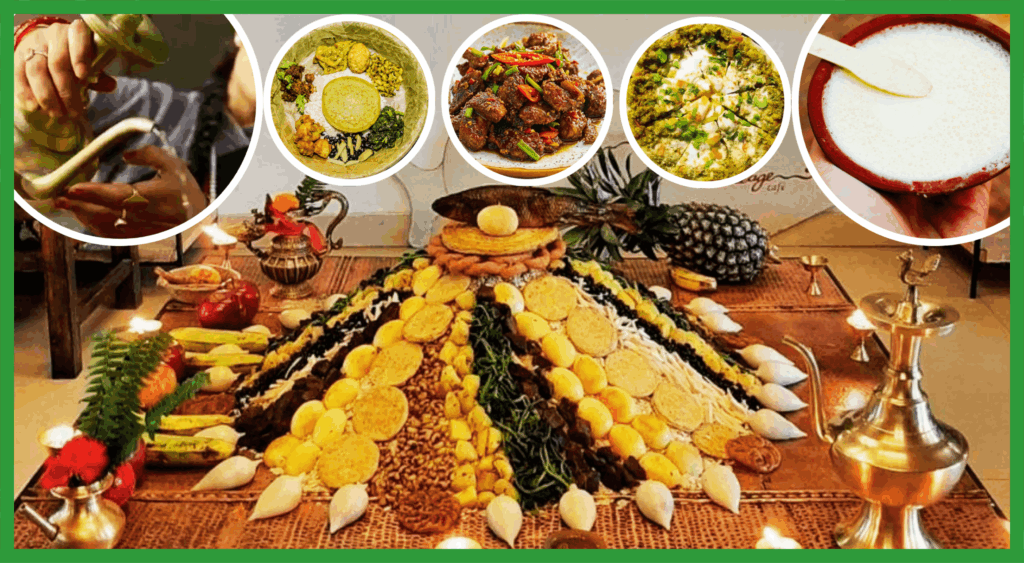
Newari cuisine is famous for its incredible range of iconic dishes, each with its own taste, texture and cultural significance.
A. Samay Baji – The Quintessential Set
Often called the “God’s Breakfast” of the Kathmandu Valley, Samay Baji is more than food, it’s a complete expression of heritage. Typically, it contains beaten rice, spiced grilled meat (Choila), lentil patties (Bara), boiled eggs, pickles, seasonal greens and more. Traditionally, it’s offered to deities before being shared among family and community.
B. Choila – Spiced Grilled Meat Delight
Choila (also spelled Chhoyela) is a fiery grilled meat dish, traditionally made with buffalo meat, marinated in garlic, ginger, spices and mustard oil, served with chiura or beaten rice. It’s a staple in feasts and celebrations.
C. Bara / Wo – Savory Lentil Pancakes
Bara (also called Wo) is a lentil pancake that can be enjoyed plain or with toppings like egg or minced meat. Crispy on the outside, soft inside, it’s a beloved snack and part of ceremonial meals.
D. Yomari – Sweet Delight of Winter
Yomari is a steamed dumpling made with rice flour and filled traditionally with jaggery and sesame. It’s especially enjoyed during the winter festival Yomari Punhi, representing warmth, sweetness and abundant harvest.
E. Juju Dhau – “King of Yogurt”
From Bhaktapur, Juju Dhau means “King of Yogurt” because of its rich, creamy texture and sweet flavor. It’s traditionally served at weddings and special occasions.
F. Chatamari – Newari Rice Crepe
Often called “Newari pizza”, Chatamari is a thin rice flour crepe topped with meat, eggs or vegetables, a street food favorite now beloved throughout Kathmandu.
G. Sanyakhuna – Jellied Meat Soup
A unique Newari dish made from dried fish or meat, resulting in a jelly‑like consistency after cooling. Its distinctive texture and flavor highlight the community’s innovative use of ingredients.
4. How Newari Food Represents Culture, Ritual and Social Life
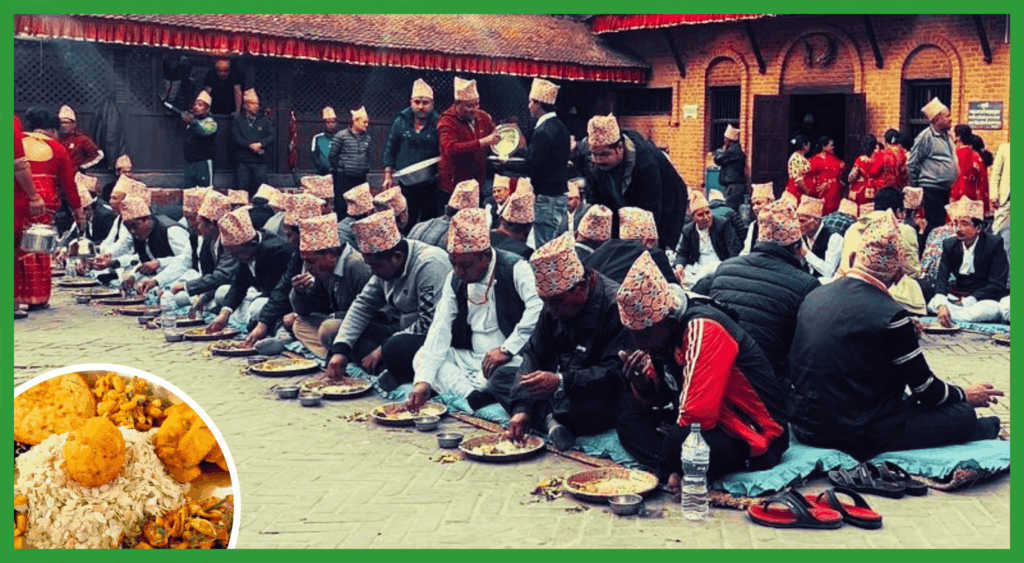
Newari meals are not just about taste, they are intricately tied to rituals, festivals and social customs:
a. Food as Offering and Blessing
During festivals, meals like Samay Baji are first offered to deities, symbolizing gratitude and divine blessing before human consumption.
b. Community and Hospitality
Sharing meals during weddings, rites of passage, and neighborhood feasts strengthens community bonds and expresses hospitality.
c. Seasonal and Ritual Balance
Certain foods like Kwati (bean soup) are consumed for specific health benefits during seasons, reflecting a deep understanding of nutrition and environment.
5. Traditional Cooking Techniques and Utensils
Authentic Newar cooking uses techniques such as grilling, fermentation, stewing, and slow cooking, and traditional utensils enhance flavor:
- Earthenware pots and brass utensils add warmth and depth to preparations.
- Fermentation for items like gundruk and beverages adds unique umami and complexity.
These methods preserve tradition and taste, connecting each dish to centuries‑old customs.
6. Newari Food in Modern Times
Today, Newari cuisine continues to evolve:
- Many traditional meals are now featured in local restaurants and cafes across Nepal.
- Variations and fusion foods, like chatamari with different toppings, attract younger generations and tourists alike.
- Some dishes, once confined to festivals, are now available year‑round, preserving heritage while adapting to modern life.
This adaptation keeps Newari food relevant and exciting for today’s food lovers.
Conclusion
Newari cuisine is truly the heart of Nepalese food culture. It is rich in taste, history, ritual meaning, and social significance that go beyond mere nourishment. Each dish, from Samay Baji’s ceremonial richness to the sweet warmth of Yomari, and the savory spice of Choila, tells a story of community, celebration and heritage.
Exploring Newari food means tasting tradition, appreciating cultural depth, and understanding how food shapes identity. Whether you are a traveler, a food enthusiast, or someone interested in Nepali culture, experiencing Newari cuisine offers a profound glimpse into the soul of Nepal. So next time you visit the Kathmandu Valley, don’t just eat, we recommend to experience Newari cuisine as an edible heritage.