

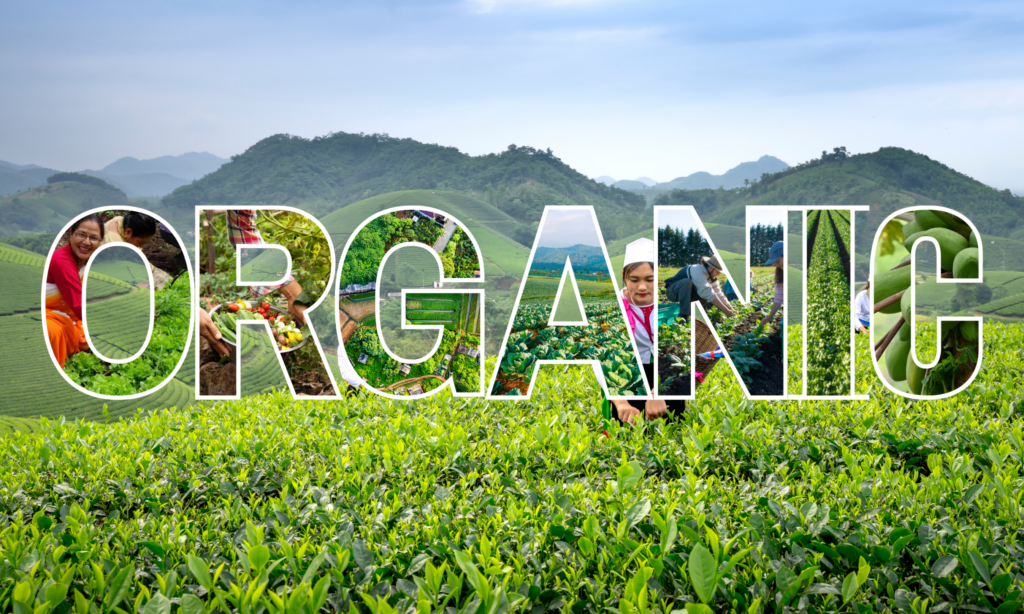
“Organic agriculture is not just a farming method, it is a promise of healthier soil, healthier food and a healthier future for Nepal”
Organic food farming is no longer a niche concept limited to a small group of nature-conscious farmers. Today, it is a rapidly expanding movement, reshaping how agricultural products are grown, processed and marketed in Nepal. Across the hills, plains, and mid-mountains, farmers are shifting toward safer, healthier and environmentally responsible production systems. And alongside this evolution, organic food value chains from farm to market are becoming a key opportunity for farmers wanting to earn more, reduce risks and supply premium markets.
In this comprehensive guide, we break down everything Nepali farmers need to know about the rise of organic value chains, the opportunities they bring and how they can participate successfully.
1. What Are Organic Food Value Chains?
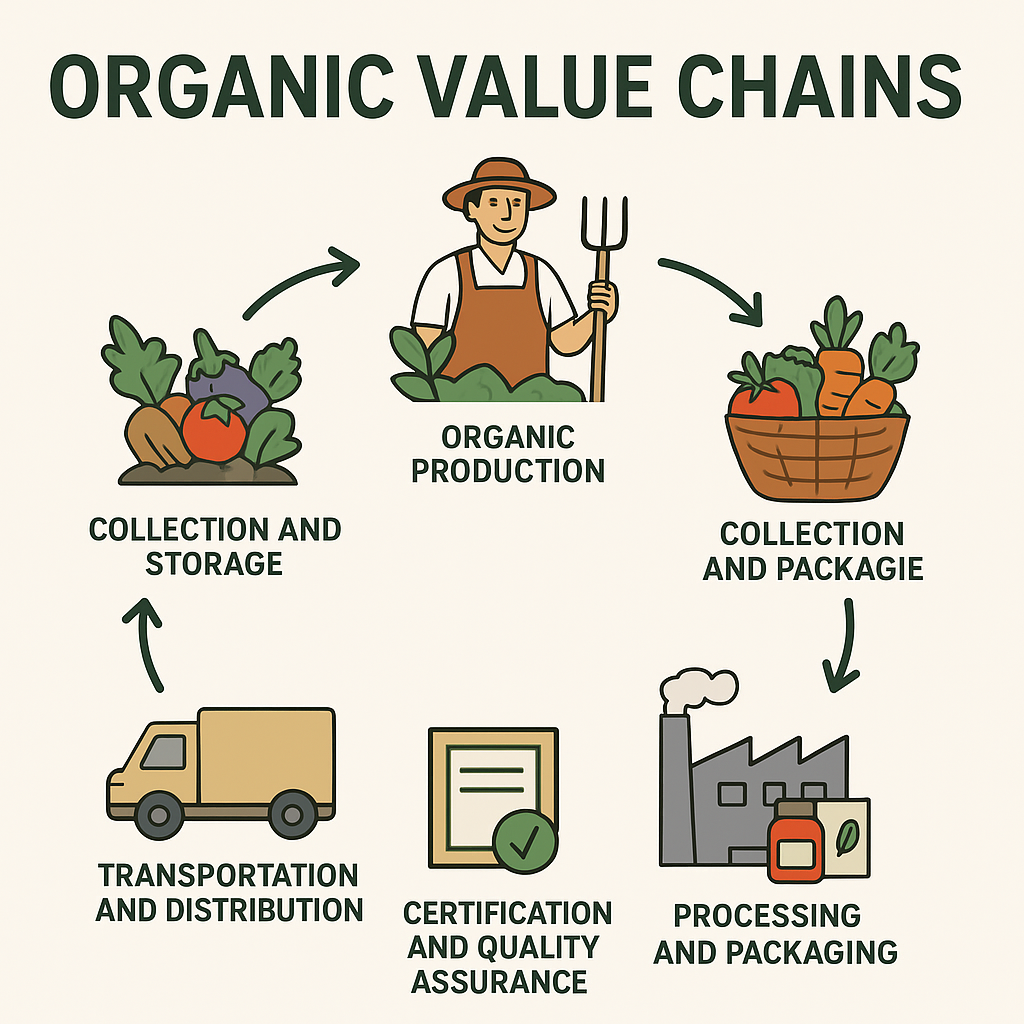
An organic food value chain includes all the steps that take a product from the farm to the consumer while maintaining organic integrity. This includes:
- Organic production
- Collection and storage
- Processing and packaging
- Certification and quality assurance
- Transportation and distribution
- Marketing and sales
Organic rules must be followed at every stage, which means no chemical pesticides, synthetic fertilisers, or artificial additions and full traceability.
For Nepali farmers, joining this chain means access to a premium market where they can earn significantly more than in traditional farming.
2. Why Organic Food Value Chains Are Growing in Nepal

The demand for organic food is rising rapidly and the reasons are clear.
A. Consumers Are More Health-Conscious
Urban consumers, especially in Kathmandu, Pokhara, Chitwan, Nepalgunj, and Butwal, are increasingly aware of health risks linked to chemical residues in food. They prefer food that is:
- Safe
- Clean
- Chemical-free
- Naturally grown
This trend is pushing retailers, supermarkets and even local vegetable shops to stock more organic food.
B. Farmers Get Higher Prices
Organic goods often receive 20-50% higher value, depending on product type and certification status. Products like:
- Organic tea
- Coffee
- Ginger
- Turmeric
- Amriso
- Vegetables
- Honey
- Medicinal herbs
have shown strong price premiums in both domestic and export markets.
C. Global Demand for Nepali Organic Food Products
Nepal’s natural geography, clean mountain environment and traditional farming methods make it ideal for producing:
- Organic herbs
- Essential oils
- Wildcrafted botanicals
- Spices
- Orthodox tea
- Organic coffee
International buyers value Nepal’s unique flavor profile, natural biodiversity and chemical-free production potential.
D. More Support from Government & Development Partners
Many organizations now support organic agriculture through:
- Subsidies on organic inputs
- Training on organic practices
- Support for certification
- Market linkage programs
- Branding and export facilitation
This creates an enabling environment for farmers willing to shift to organic production.
3. Benefits for Nepali Farmers Entering Organic Food Value Chains
Organic value chains give farmers more than just higher income.
1. Reduced Cost of Farming
Organic farming emphasizes local inputs such as:
- Farmyard manure
- Compost
- Vermicompost
- Bio-pesticides
- Botanical extracts
This decreases dependency on imported chemical fertilizers and pesticides.
2. Improved Soil Health
Organic techniques improve:
- Soil structure
- Moisture retention
- Microbial activity
This leads to sustainable productivity over the long run.
3. Safer Food & Healthier Farmers
Reduced exposure to harmful chemicals protects farmers’ health and reduces long-term medical costs.
4. Better Market Stability
In organic markets, especially high-value retailers, internet platforms and export customers, sometimes offer contract-based buying, which makes sales more predictable.
4. Challenges Farmers Should Be Aware Of
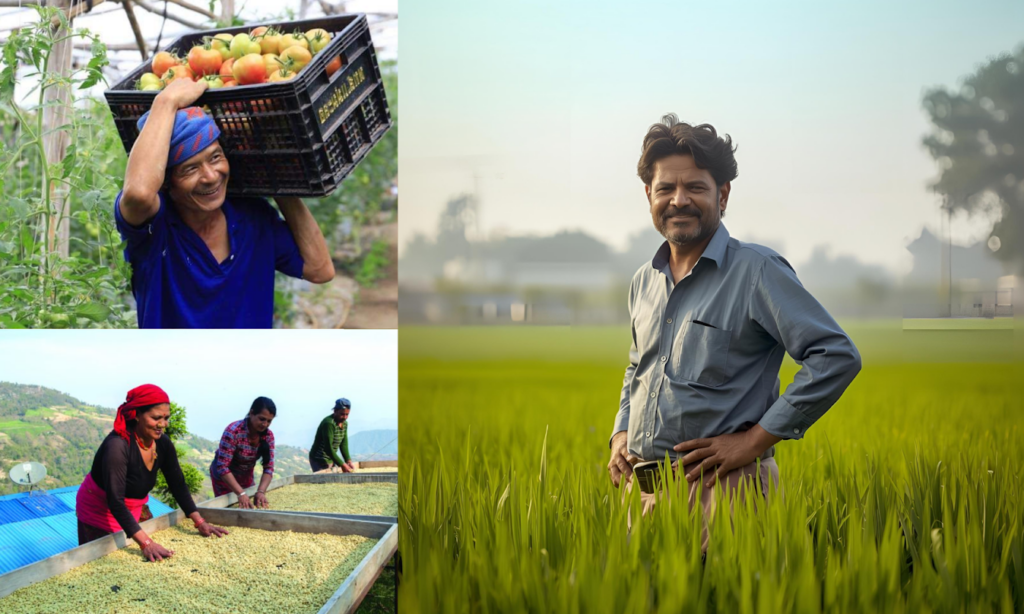
While the organic opportunity is big, understanding the challenges helps farmers prepare better.
A. Transition Period
The shift from chemical to organic farming usually takes 2-3 years, known as the conversion period. During this time:
- Soil gradually becomes chemical-free
- Organic matter increases
- Certification bodies assess compliance
Farmers must remain committed during this transition.
B. Certification Requirements
Certification ensures trust and transparency. It requires:
- Record keeping
- Regular farm inspections
- Traceability documentation
- Compliance with organic standards
Though it adds some management work, certification opens the door to premium markets.
C. Pest & Disease Management
Organic farming relies on:
- Local botanicals
- Mechanical control
- Biological agents
- Crop rotation
- Mulching and soil improvement
This demands knowledge and proper training.
D. Post-Harvest Handling
Organic products must be kept separate from non-organic ones. Farmers need:
- Clean storage
- Proper packaging
- Safe transportation methods
This prevents contamination and maintains the organic label.
5. Value Addition: The Key to Higher Income
Producing raw organic crops is good but processing them into value-added products is even better. Through value addition, farmers can earn 2-5 times more.
Examples of Organic Value-Added Products
- Green tea → packed tea bags
- Turmeric → powdered and packaged turmeric
- Honey → filtered and bottled honey
- Millet → flour, cookies or snacks
- Ginger → dried slices, candy or powder
- Vegetables → dehydrated vegetable mix
- Fruits → jams, pickles, juice concentrates
Value-added products have longer shelf life, better branding potential and premium pricing opportunities.
6. Steps Nepali Farmers Should Take to Join the Organic Value Chain
Step 1: Start with Organic Soil Management
Improve soil health using:
- Compost
- Biofertilizers
- Crop rotation
- Green manure
- Vermicompost
Healthy soil is the foundation of organic farming.
Step 2: Learn Organic Pest & Disease Control
Use natural alternatives such as:
- Neem solution
- Garlic-chili spray
- Cow urine mixtures
- Traps and barriers
- Resistant crop varieties
Training makes a big difference here.
Step 3: Form or Join Farmer Groups/Cooperatives
Cooperatives help farmers:
- Share inputs
- Reduce certification cost
- Sell collectively
- Access training
- Negotiate better prices
Step 4: Become Certified
Popular certification systems in Nepal include:
- Organic Certification Nepal (OCN)
- Participatory Guarantee System (PGS)
- International certifications (EU, USDA, JAS) for export
Certification ensures traceability and trust.
Step 5: Work on Branding and Packaging
Branded organic products stand out in the market. Packaging should be:
- Clean
- Attractive
- Transparent about origin
- Clearly labeled “Organic”
Step 6: Develop Market Linkages
Identify buyers such as:
- Organic grocery stores
- Hotels and restaurants
- Exporters
- Online retailers
- Agriculture companies
- Processing industries
7. The Role of Technology in Strengthening Organic Food Value Chains
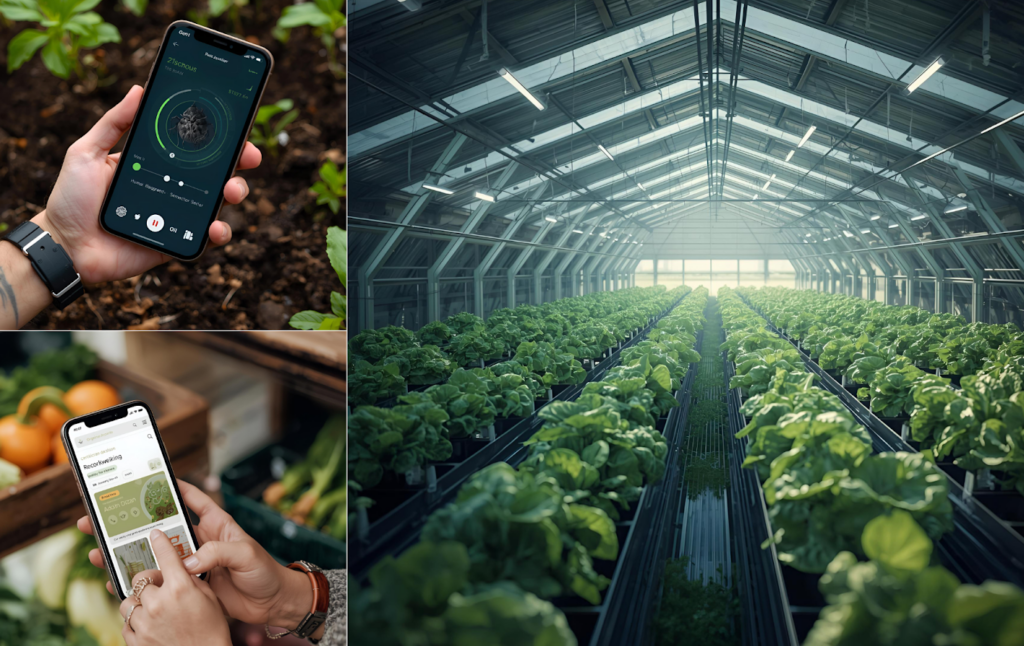
Modern technology supports organic agriculture in many ways:
- Mobile apps for pest diagnosis
- IoT-based soil sensors for organic nutrient monitoring
- Digital recordkeeping for certification
- E-commerce platforms for selling organic products
- GIS mapping for organic zones
- Cold chain solutions to reduce post-harvest loss
Nepal’s organic sector is evolving rapidly with digital support.
8. Organic Products with High Market Potential in Nepal
a. Spices
- Ginger
- Turmeric
- Timur
- Cardamom
- Cumin
b. Tea & Coffee
Nepal’s orthodox tea and specialty coffee are already internationally recognized.
c. Vegetables & Fruits
Organic seasonal vegetables fetch high prices in metropolitan markets.
d. Medicinal Herbs
- Lemongrass
- Mint
- Tulsi
- Ashwagandha
- Kurilo
- Yarsagumba substitutes
e. Honey & Bee Products
Beekeeping is naturally aligned with organic principles.
9. How Planeteer Innovative Supports Farmers and Agri-Enterprises

Planeteer Innovative & Research Consultancy plays a critical role in strengthening Nepal’s organic value chains by providing:
1. Organic Farm Design & Development
We help farmers build eco-friendly, efficient farms with smart layouts, irrigation systems and soil management plans.
2. Food Safety & Quality Assurance Training
We offer hands-on training on:
- FSMS
- GMP
- HACCP
- SOPs
- Hygiene management
Essential for processors and farmers entering premium markets.
3. Product Development & Innovation
We assist in creating new organic food products, improving existing recipes and making them market-ready.
4. Value Chain Analysis & Market Linkage
We connect producers with reliable markets, help with branding, packaging and supply chain strategy.
5. Cooperative and Farmer Capacity Building
Workshops, demonstrations and technical mentoring ensure farmers are fully prepared for organic certification and value chain integration.
10. The Future of Organic Value Chains in Nepal
Nepal’s organic value chain is set to grow rapidly over the next decade due to:
- Increasing domestic demand
- Rising export opportunities
- Climate-friendly farming practices
- Youth interest in agribusiness
- Government support
- Global movement toward natural, safe foods
Farmers who enter the organic sector today will be the leaders of tomorrow earning higher income, adopting sustainable farming and contributing to Nepal’s green economy.
Conclusion
The rise of organic food value chains in Nepal is more than a trend, it is a powerful shift shaping the future of agriculture. For Nepali farmers, the opportunity is immense. By adopting organic practices, obtaining certification, engaging in value addition and building strong market linkages, farmers can secure long-term income, resilience and recognition in both domestic and international markets.