

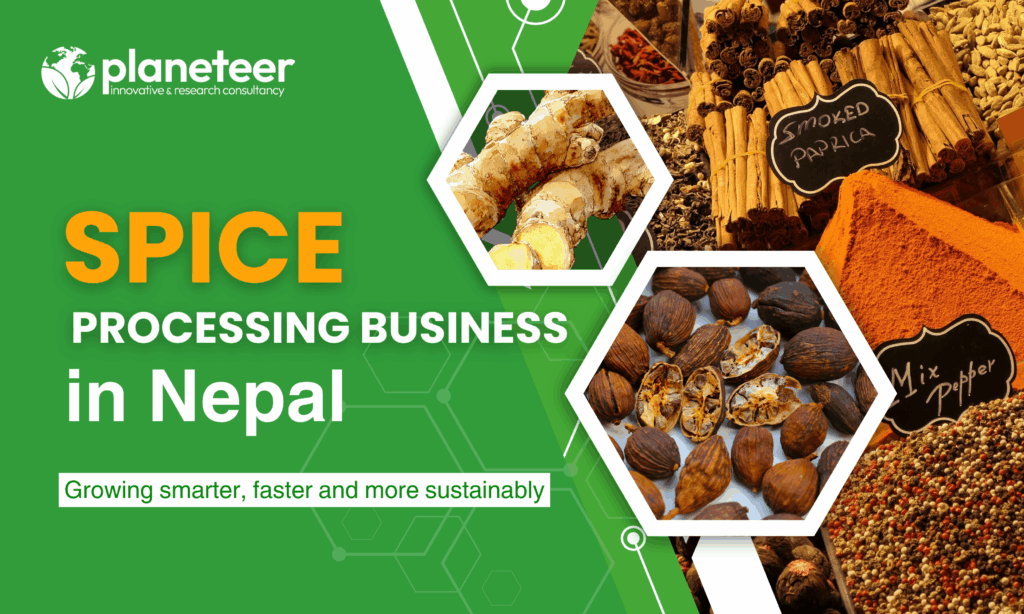
Turn raw spices into real profit
Nepal has a rich tradition of growing spices like turmeric, ginger, cardamom, Akabare Khursani cumin and black pepper. However, many farmers sell their raw spices at low prices because they lack processing facilities. By adding value through cleaning, grinding and packaging, farmers can earn much higher profits. Local consumers prefer fresh, organic spices, and hotels, restaurants and food industries need consistent quality. Additionally, Nepal’s spices have growing export potential to countries like India, Bangladesh and the Middle East, especially if they are certified organic.
Market Research (Simple 1-Week Method)
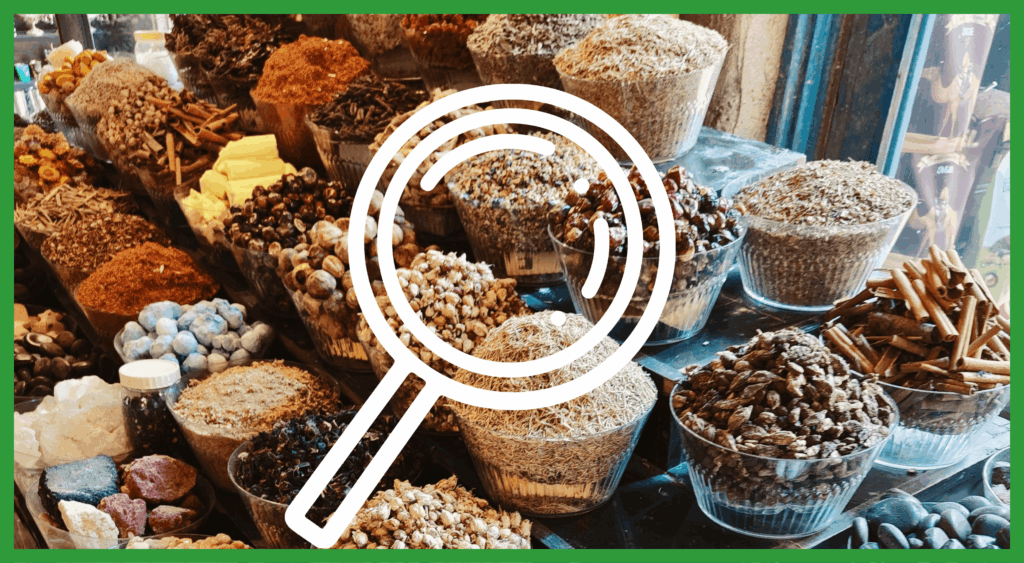
Step 1: Identify Local Demand
Visit grocery stores, spice shops, and restaurants in your area. Ask them if they buy processed spices and which brands they trust. If most shops sell processed turmeric powder, for example, it shows strong local demand. This helps you decide which spices to focus on.
Step 2: Check Export Potential
Contact organizations like Nepal Trade Point or Nepal Export Promotion Centre to learn about spice export trends. For instance, cardamom exports have been growing steadily. Understanding buyer requirements helps you prepare your products for international markets.
Step 3: Analyze Competitors
Visit nearby spice processing companies to see their prices, packaging, and how they sell their products. If competitors focus on organic branding, you can differentiate by highlighting local sourcing or unique flavors.
Product Selection (Start with 2-3 Spices Only)
For beginners, it’s best to start with 2-3 spices to reduce risk. Turmeric is a great choice because it’s widely used in cooking and medicine and it’s easy to grow. Ginger is another excellent option due to its high demand in both local and export markets. Cumin can also be added later as it’s popular in curries and snacks. Starting small helps you learn and scale up gradually.
Legal Process in Nepal
1. Company Registration (OCR & PAN)
To start legally, you need to register your business. Visit the Company Registrar Office (CRO) or use online services. Required documents include identity proof of directors, address proof and a memorandum of association.
2. VAT & PAN Registration
After company registration, visit the Inland Revenue Department for VAT and PAN registration. You’ll need business registration proof and bank account details.
3. DFTQC License (For Export)
If you plan to export, apply for a license from the Department of Food Technology & Quality Control (DFTQC). Requirements include Good Manufacturing Practices (GMP) certification and a hygiene inspection report.
4. Local Ward Office Approval
Visit your local ward office for business registration. Bring land ownership proof and a No Objection Certificate (NOC) from neighbors if required.
Factory Location & Hygiene Setup
Best Locations
Choose a factory location near spice farms to reduce transportation costs. Access to electricity and water is essential. For example, if you grow turmeric in Chitwan, setting up the factory there makes logistical sense.
Hygiene Requirements
Maintain separate areas for raw material storage, processing, and packaging. Ensure proper ventilation and drainage. Clean machinery daily with food-grade sanitizers to prevent contamination.
Machines Required
Basic Spice Processing Machines
You’ll need a spice grinder to turn raw spices into powder, a sieve machine to remove impurities, a weighing scale for accurate packaging, and a sealing machine for plastic bags. These machines are essential for small-scale processing.
Raw Material Sourcing from Farmers & Cooperatives
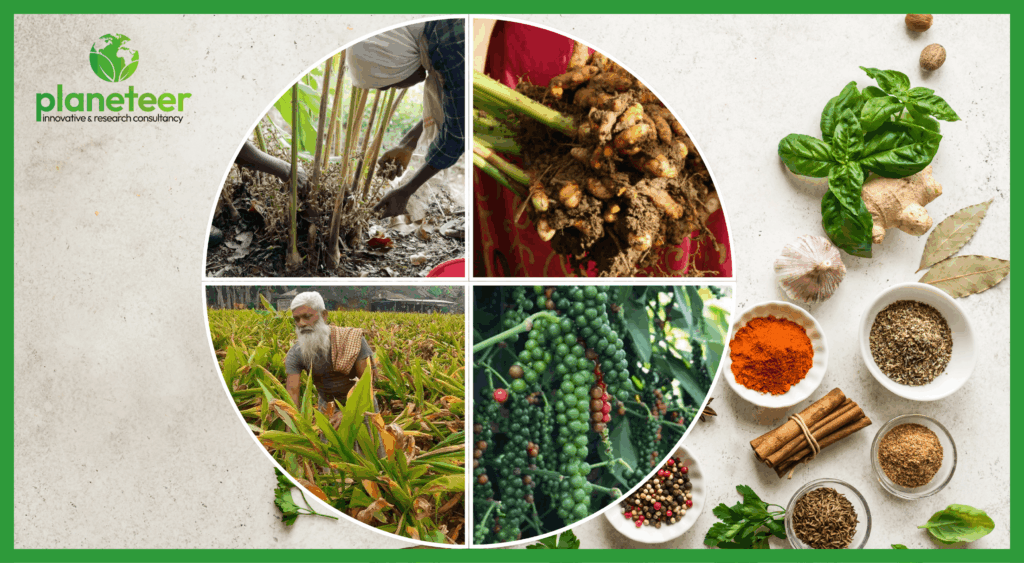
1. Direct Purchase from Farmers
Visit local spice farms and negotiate prices based on quality. Buying directly ensures freshness and builds trust with farmers.
2. Cooperatives
Join or work with spice farmer cooperatives. These groups provide quality raw materials and collective bargaining power. For example, Nepal Organic Spice Farmers’ Cooperative offers reliable sourcing.
3. Quality Control
Check raw materials for mold, moisture, and foreign particles. Reject batches that don’t meet standards to maintain product quality.
Step-by-Step Production Workflow
1. Cleaning
Remove dirt, stones, and leaves from spices using water or air blowers.
2. Drying
Sun-dry or use mechanical dryers until moisture content is low. Proper drying prevents spoilage.
3. Grinding
Use spice grinders to make fine powder. For ginger, ensure a consistent texture.
4. Sieving
Remove coarse particles using sieve machines for a smooth product.
5. Packaging
Pack spices in food-grade plastic bags in various sizes for retail customers.
Packaging & Legal Labeling Requirements
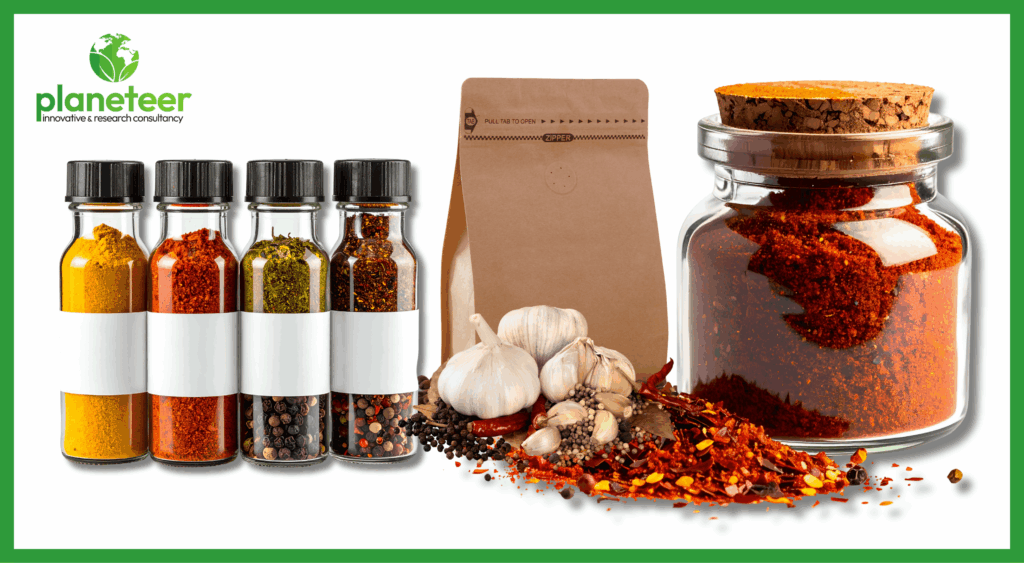
1. Packaging Materials
Use food-grade plastic or aluminum foil from suppliers like Himalayan Packaging.
2. Legal Labeling
Labels must include the product name, net weight, manufacturing and expiry dates, company address, and approval numbers like FSSAI (for India) or DFTQC.
Branding Tips for Nepali Market
1. Use Nepali Names & Symbols
Choose names like “Swadilo, Hariyo” or “Himalayan Spice” to connect with local culture.
2. Highlight Organic & Local
Emphasize “100% Organic, Grown in Nepal” to appeal to health-conscious consumers.
3. Attractive Packaging
Use bright colors and Nepali art, such as traditional Mandala designs, to make products stand out.
4. Social Media & Local Ads
Run Facebook and Instagram ads targeting Nepali consumers. For example, promote “Organic turmeric for healthier cooking!”
Realistic Startup Cost
Expense Categories
- Machines: Basic equipment for grinding, sieving, and packaging.
- Legal Fees: Registration and licenses.
- Raw Materials: Purchase from farmers or cooperatives.
- Packaging: Food-grade bags and labels.
- Marketing: Local and online promotions.
Pricing & Profit Logic with Example
1. Cost Calculation
Consider raw material cost, processing labor, and packaging expenses. Higher quality spices may cost more but fetch better prices.
2. Selling Price
Set retail prices based on market research and offer wholesale discounts for bulk buyers.
3. Profit Calculation
For example, selling processed turmeric at a premium price can significantly increase profits compared to raw sales.
Marketing Strategies (Local + Online + Wholesalers)
1. Local Marketing
Distribute samples to grocery stores and offer bulk order discounts. For instance, “Buy five kilograms, get one free!”
2. Online Marketing
Sell on platforms like Daraz or Sastodeal, and use social media ads to reach Nepali food lovers.
3. Wholesalers & Exporters
Contact spice wholesalers in Kathmandu and Pokhara, and attend trade fairs to showcase your products.
Export Opportunities & Requirements
1. Potential Markets
India, Bangladesh, and the Middle East are key markets for Nepali spices due to high demand for organic products.
2. Export Requirements
Ensure you have a DFTQC license, organic certification if applicable, and proper packaging and labeling.
Common Mistakes & Practical Solutions
1. Poor Quality Control
Selling spices with impurities harms reputation. Invest in sieve machines and regular testing to maintain quality.
2. Underestimating Legal Costs
Not budgeting for licenses can delay operations. Plan for legal fees during startup.
3. Ignoring Local Demand
Focusing only on export without testing local markets is risky. Start locally before expanding internationally.
4. Overinvesting in Machines
Buying expensive equipment before confirming demand can waste money. Begin with basic machines and upgrade as needed.
Conclusion
Spice processing in Nepal offers a profitable venture with growing local and export demand. By following this guide, you can start a successful business with a small-scale budget. Focus on quality, branding and marketing to stand out. For expert assistance, contact us.