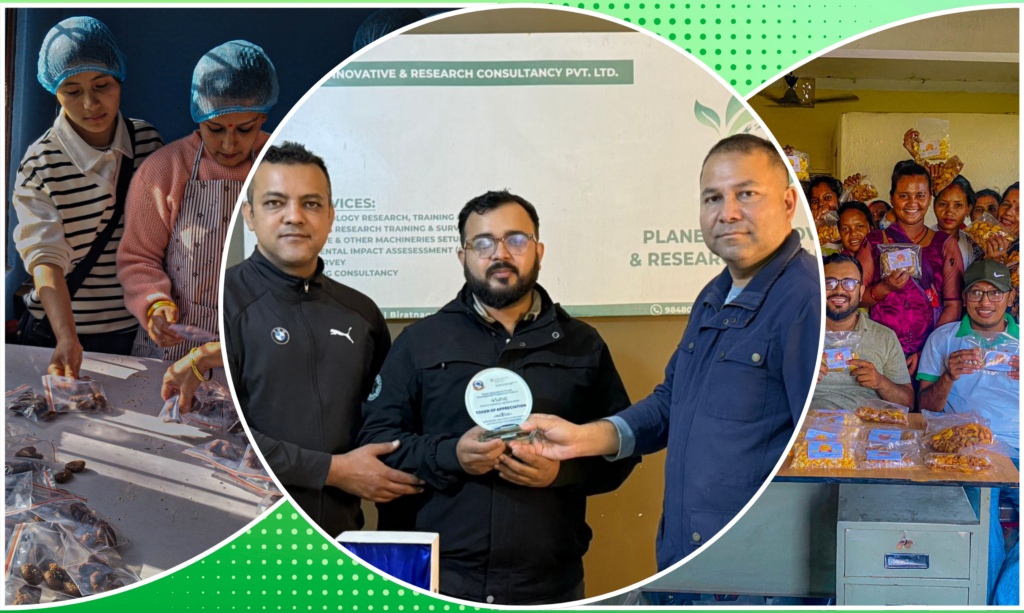
A Step Toward Sustainable Entrepreneurship
Sunsari District, which is located in Nepal’s Terai region, is well known for its fertile soil, abundant maize output and hard working farmers. However, for decades, most farmers, particularly women, were relegated to subsistence farming, with no access to training, technology or market expertise.
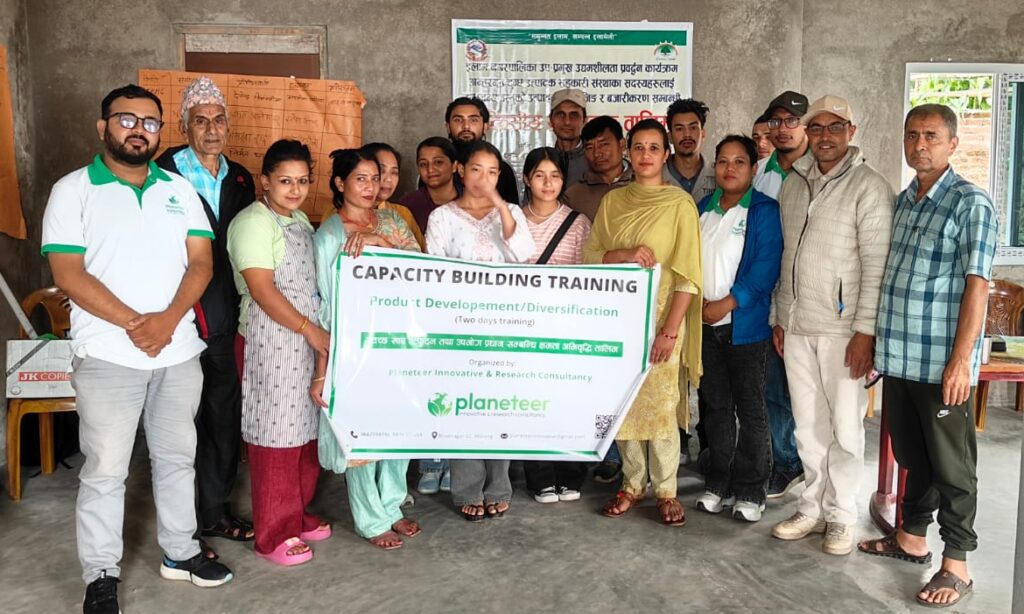
In Gadhi Rural Municipality, a new wave of empowerment is taking place through the Food Safety Management System (FSMS) Training and Maize Product Development workshops. Women who earlier thought their job was restricted to domestic chores and field labour are now learning how to develop micro-enterprises, value-added maize products and safer food processing methods.
These trainings, conducted by expert trainers of Planeteer Innovative and backed by committed local stakeholders, are supporting women in recognising maize as more than simply a crop, but also a commercial opportunity.
This blog highlights how these two impactful training are shaping a brighter future for rural women in Sunsari.
1. Why Sunsari Needed Such Training: The Ground Reality
Sunsari grows large volumes of maize, yet most farmers sell the raw grain at low prices.
Challenges include:
- Lack of food safety awareness
- Traditional processing methods
- No standardized production system
- Limited knowledge of maize-based value added products
- Women’s limited access to high-income opportunities
- High post-harvest losses
- Very small or no market linkages
This meant that despite high maize production, the community was not benefiting financially.
The FSMS training and product development workshops were designed with a clear goal:
- To turn farmers into entrepreneurs
- To turn maize into a value added product
- To turn rural women into capable food processors
And the results are inspiring.
2. FSMS Training: Building a Foundation of Food Safety and Hygiene
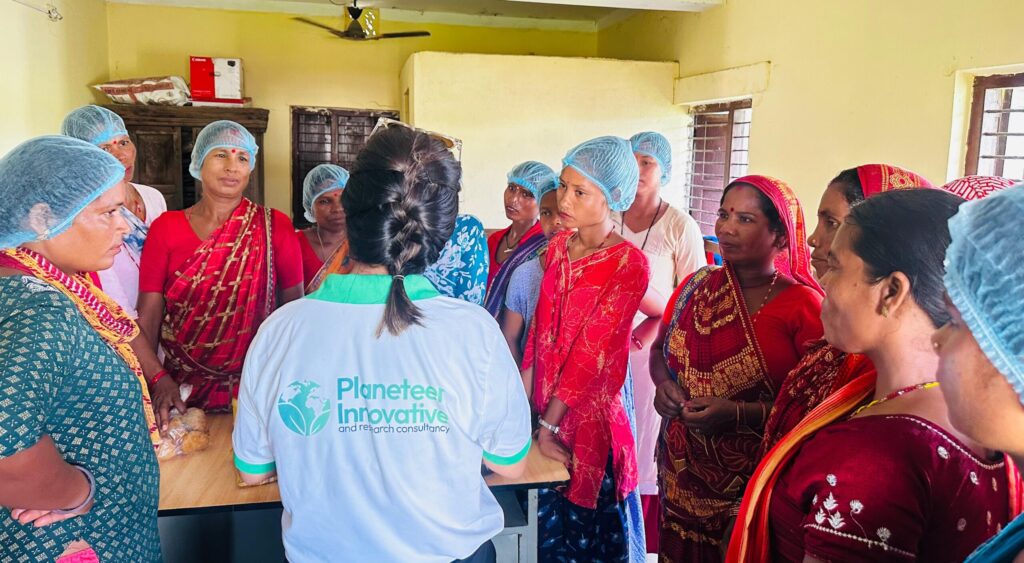
The Food Safety Management System (FSMS) training was conducted with the objective of strengthening safe food handling practices, improving hygiene standards, and ensuring participants understand the scientific reasons behind food contamination and proper processing.
Key Topics Covered During the Training
Participants were introduced to essential topics such as:
- What is FSMS and why it matters
- Food contamination types and prevention
- Personal hygiene & workplace cleanliness
- Safe handling of raw agricultural products
- Cross-contamination control
- Proper handwashing, cleaning & sanitation
- Safe storage and packaging techniques
- Importance of high-quality inputs
- Maintaining moisture and temperature in maize
- Safety during drying and grinding
- Record keeping & traceability
This training was conducted using practical demonstrations, group discussions, and interactive activities to make difficult concepts easy to understand.
Many women shared their experiences:
“We never realized that contamination could start from our own hands. Today we learned how to wash hands properly, how to clean utensils, and how to dry maize safely.”
This shift in mindset is important.
FSMS ensures not only safer food but also trustworthy products, making it easier for women to enter local and premium markets.
3. Hands-On Maize Product Development Training: Turning Skills Into Business
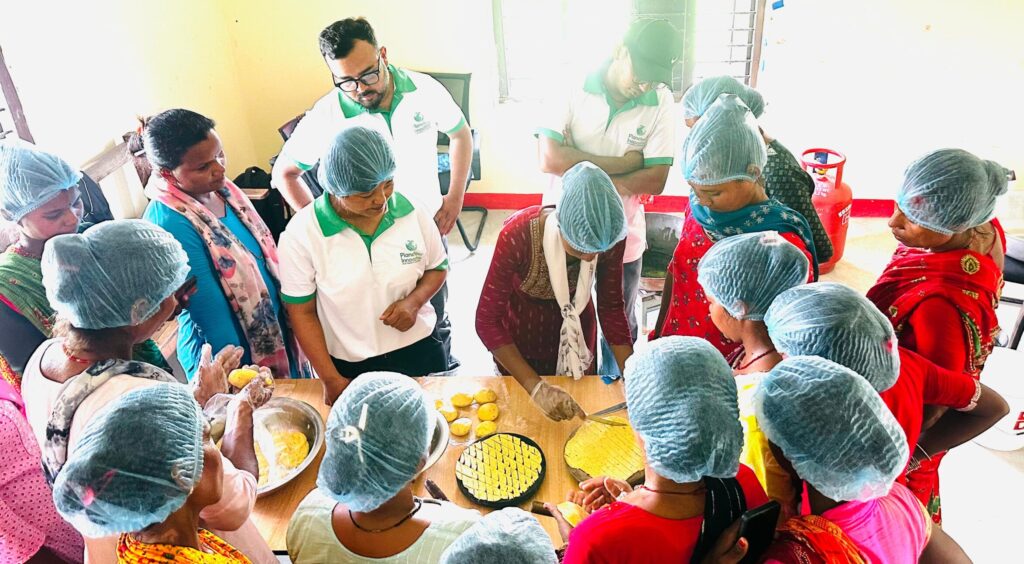
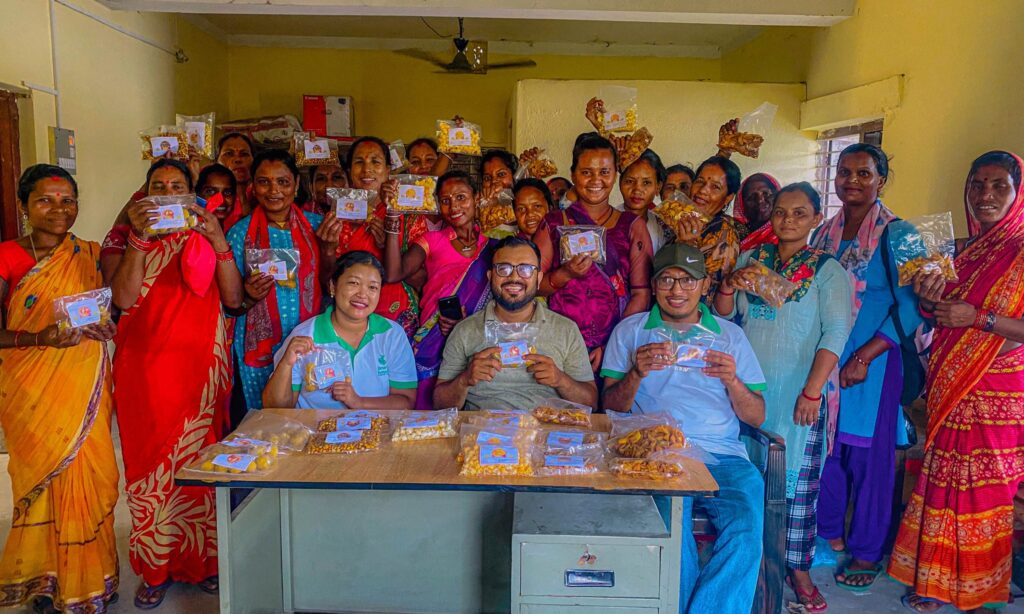
While FSMS built the foundation for safe food production, the Maize Product Development Workshop empowered women to transform maize into sellable, market ready products.
Products Demonstrated During Training
Participants learned practical steps to prepare:
- Maize Biscuit
- Maize Chips
- Maize Flakes (Nimki)
- Maize Ladoo
- Roasted Maize Snacks
- Maize Powder for Porridge
- Ready-Mix Maize Flour
Each product was demonstrated with:
- Exact recipe
- Measurements
- Hygiene protocol
- Packaging method
- Shelf-life guidance
- Cost calculation
- Selling price determination
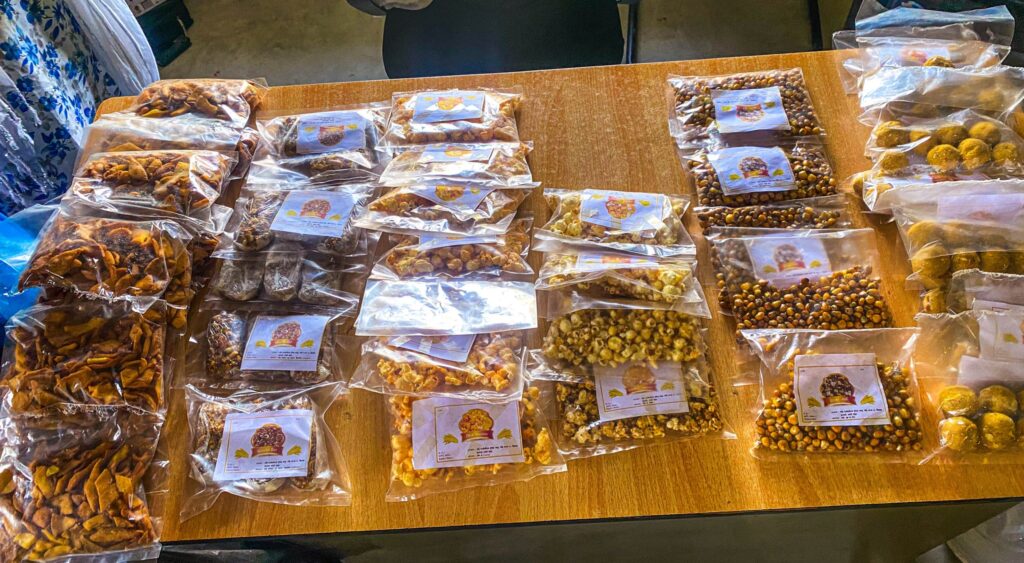
Why These Products Matter
- Easy to make
- Low investment
- High demand in local and urban markets
- Suitable for women-led groups
- Can be sold in shops, schools and fairs
- Can start from home-scale production
Women realized that maize, which they had always seen as a low value household crop, can actually become a profitable business.
4. Participation and Local Engagement: The Strength Behind the Training
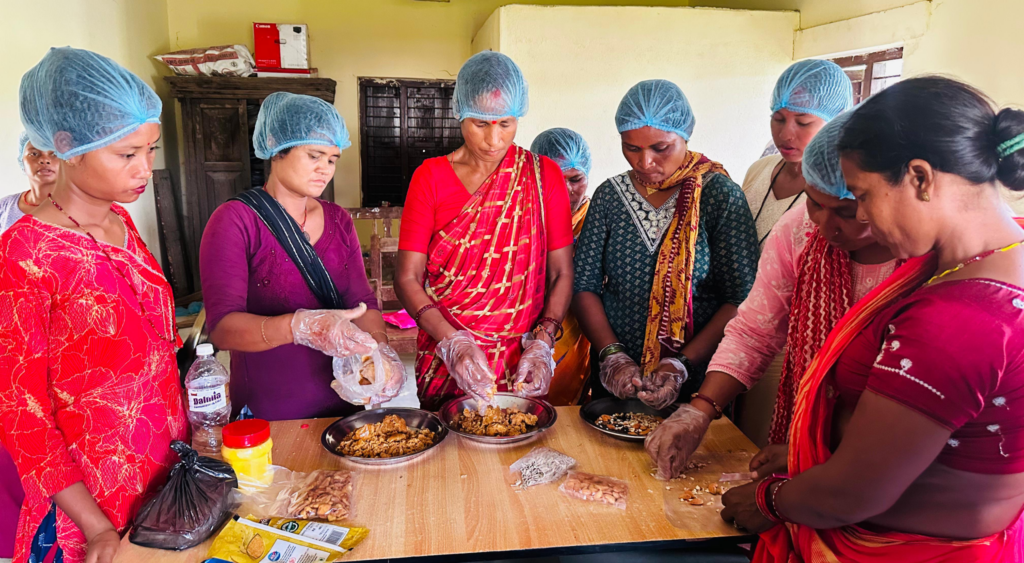
The training brought together:
- Women farmers
- Local home-based processors
- Members of cooperatives
- Youth aspiring to start food businesses
- Local government representatives
- Community leaders
Their involvement ensured that the knowledge gained will be carried beyond the classroom and into the community.
Women’s Active Participation
Women participated with remarkable enthusiasm.
They asked questions, took notes and practiced new skills.
One participant expressed:
“We used to dry maize anywhere. Today we learned the right drying method and how moisture affects storage and shelf life. Now we know how to prevent fungus and insects completely.”
Such insights build confidence which is the most important driver of entrepreneurship.
5. Real Outcomes: What Has Changed After the Training?
- Increased Awareness of Food Safety
Participants now understand:
- Cleanliness is non-negotiable
- Hand hygiene affects product safety
- Safe drying prevents fungus and aflatoxins
- Storage conditions influence quality
- Improved Processing Skills
Women can now:
- Measure ingredients correctly
- Maintain consistent product quality
- Follow scientific processing steps
- Use packaging properly
- Extend shelf life safely
- Rising Interest in Small Enterprises
Several participants showed interest in starting:
- Small maize snacks businesses
- Biscuits production units
- Roasting and flour production at home
- Cooperatives for maize-based processing
- Income generating groups
- Better Coordination with Local Governments
Local authorities expressed interest in:
- Supporting women’s groups
- Promoting maize value chain development
- Enhancing local food safety awareness
- Encouraging microenterprise development
6. Challenges Identified During the Training
Despite high motivation, women face some key challenges:
- Limited access to machines
- Lack of packaging materials
- Difficulty maintaining consistent moisture
- Low access to credit
- Limited market linkages
- Need for improved storage facilities
- Lack of branding & label design skills
These challenges must be addressed to transform small ideas into sustainable businesses.
7. Opportunities Ahead: A New Future for Women Entrepreneurs
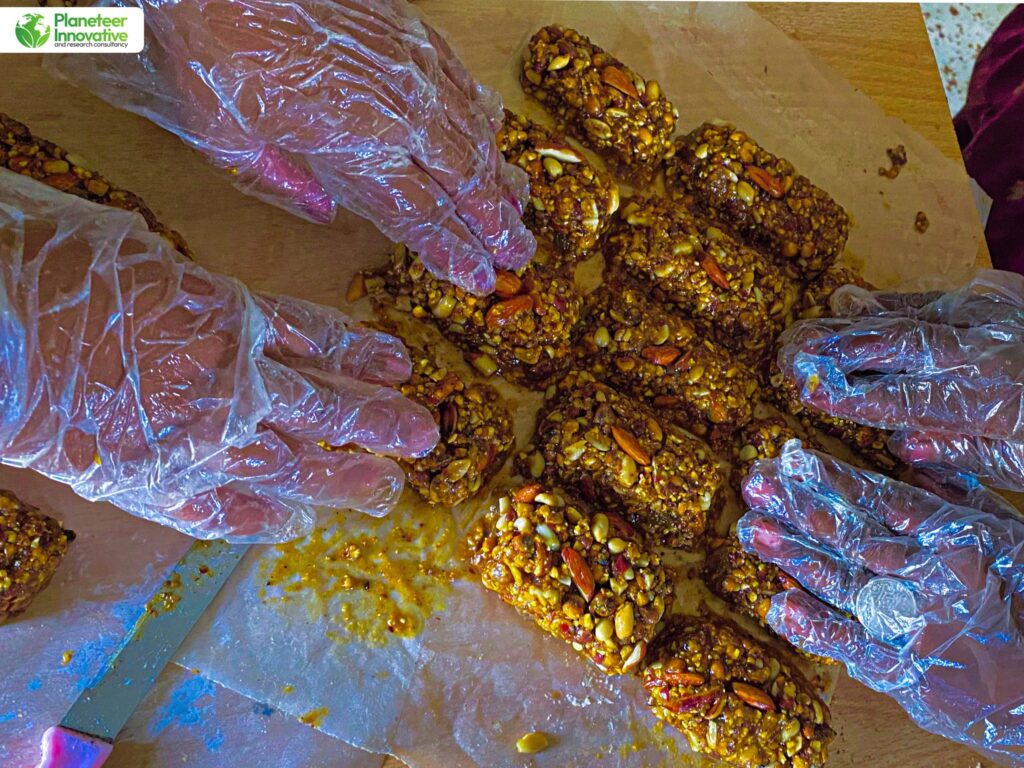
The combined FSMS + Maize Product Development approach opens several opportunities:
- Home-based Maize Snacks Units: Low-cost and practical for women.
- Women Cooperatives for Maize Flour & Chips: Better bargaining power and easy market entry.
- School Meal Supply Opportunities: Healthy maize snacks for children.
- Local Fairs & Market Stalls: A great place to test and promote products.
- Packaging & Branding Support Through Organizations: Ready to help women entrepreneurs compete in the market.
- Linkage with Local Agro-Vendors: To supply raw materials and equipment.
- Food Safety Certification Training: For selling in big shops and supermarkets.
This training lays the foundation for long-term economic empowerment.
8. People Story: Confidence, Motivation & Hope
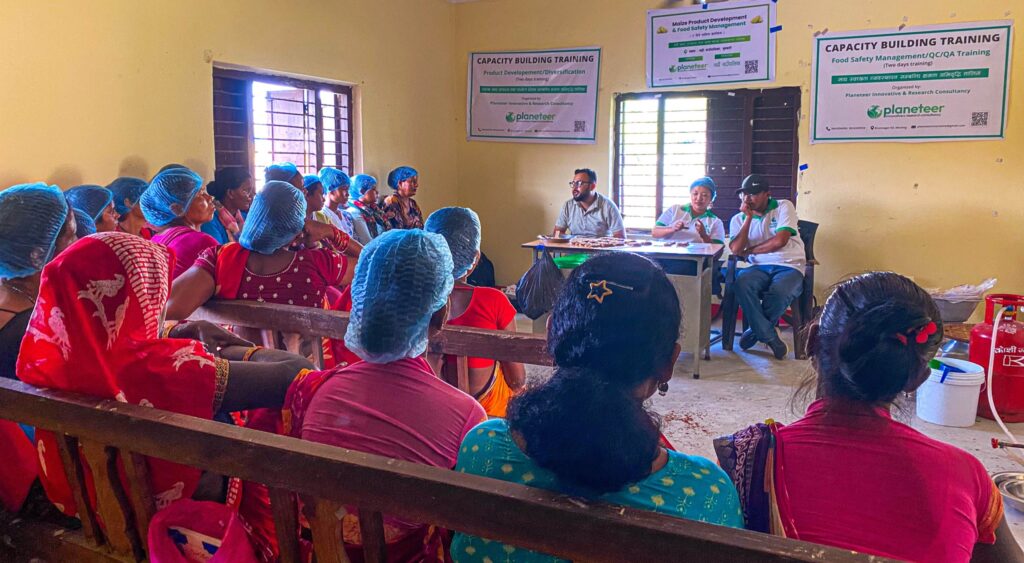
One of the most inspiring outcomes of the training was the visible increase in confidence.
Women who earlier hesitated to speak now:
- Asked business-related questions
- Discussed cost and pricing
- Wanted to know about machines
- Spoke about starting small enterprises
- Encouraged each other to take action
They realized:
“हामी पनि गर्न सक्छौँ।”
(We can also do it.)
Empowerment begins with knowledge and these training gave them exactly that.
Conclusion
The FSMS Training and Maize Product Development Workshops in Gadhi Rural Municipality showed how powerful the right knowledge can be. Women learned to apply scientific food safety practices, rural communities discovered how to add value to their own maize, and everyone realized the huge business potential hidden in this local crop. With proper guidance, income and self-reliance become feasible, and collaboration between local government, specialists and communities becomes stronger. What started as a workshop has evolved into a movement that is empowering rural women, enhancing local food systems and paving the way for sustainable farming in Nepal.This is more than just a training, it is a movement toward empowering rural women, strengthening local food systems, and building sustainable agribusiness opportunities in Nepal.