
“Lack of experience is not a barrier – lack of planning and guidance is.”
Agriculture has always been considered one of the most reliable and essential sectors in the world. In recent years, more youth and aspiring entrepreneurs are showing interest in farming – not just as a traditional practice, but as a modern agribusiness opportunity.
But one common question arises:
→ Can we really start farming without experience?
The short answer is yes, you can.
However, the real truth is – starting without experience is possible, but succeeding without preparation is difficult.
This blog explores everything a beginner needs to know from mindset to planning, risks to solutions, so that you can confidently step into agriculture even if you have no prior experience.
Understanding Farming as a Business
One of the biggest mistakes beginners make is seeing farming only as physical labor rather than a business system.
Farming today is not just about planting crops and waiting for harvest. It involves:
- Market research
- Financial planning
- Risk management
- Technology adoption
- Supply chain understanding
If you approach farming like a business, even without experience, you can succeed.
Is Experience Really Necessary?
Experience helps, but it is not the only path to success.
There are three ways people usually gain experience:
- Traditional learning (family farming background)
- Practical exposure (working on farms)
- Modern learning (training, research, consultancy)
Today, with access to information, training programs and expert support, you can replace lack of experience with the right knowledge and guidance.
Challenges of Starting Farming Without Experience
Before jumping in, it’s important to understand the real challenges:
1. Lack of Technical Knowledge
You may not know:
- Which crop to choose
- How to manage soil health
- When to irrigate or fertilize
→ This can directly affect production.
2. Poor Decision-Making
Without understanding the system, beginners often:
- Choose the wrong crops
- Invest in unsuitable technology
- Mismanage resources
3. Market Uncertainty
Many new farmers focus only on production and forget:
→ “Who will buy the product?”
4. Financial Risk
Without proper planning:
- Costs increase
- Returns decrease
- Profit becomes unclear
5. Lack of System and Structure
Farming without experience and a system leads to:
- Inconsistent production
- Unstable income
- Poor scalability
How Can You Start Farming Without Experience?

Now comes the most important part “the solution”.
1. Start with a Clear Plan
Before investing money, look for an experienced partner and ask yourself:
- What will I produce?
- Who will buy it?
- How much can I invest?
A business plan is not optional, it is essential.
2. Start Small, Then Scale
If you don’t have experience partner, instead of investing heavily at the beginning:
- Start with a small plot or limited production
- Learn from real experience
- Expand gradually
→ This reduces risk and builds confidence.
3. Focus on Market, Not Just Production
Many beginners think:
→ “If I produce well, it will sell.”
But reality is:
→ “If there is demand, it will sell.”
So:
- Study local markets
- Understand pricing
- Identify demand trends
4. Choose the Right Crop or Business
You can seek proper support from an agribusiness export consultancy in that field to choose the right crops or business.
Avoid random selection.
Consider:
- Climate suitability
- Soil condition
- Market demand
- Investment capacity
Examples:
- High-value vegetables
- Dairy farming
- Poultry farming
- Mushroom production
5. Learn Before You Invest
Even without experience, you can learn through:
- Training programs
- Online resources
- Field visits
- Expert consultation
→ Knowledge reduces costly mistakes.
6. Use Modern Technology
Technology can replace experience to some extent:
- Drip irrigation systems
- Greenhouse farming
- Mobile apps for farm management
These tools help improve efficiency and reduce guesswork.
7. Maintain Records
Track everything:
- Expenses
- Production
- Sales
This helps you:
- Understand profit/loss
- Make better decisions
8. Manage Risk Properly
Farming always has risks:
- Weather
- Disease
- Market fluctuations
Reduce risk by:
- Diversifying crops
- Using insurance (if available)
- Planning ahead
9. Build a Support System
You don’t have to do everything alone.
Connect with:
- Agricultural experts
- Extension services
- Agribusiness consultants
→ Guidance can save time, money and effort.
10. Think Long-Term
Farming is not a “quick profit” business.
Success requires:
- Patience
- Consistency
- Continuous improvement
Role of Professional Support in Modern Farming
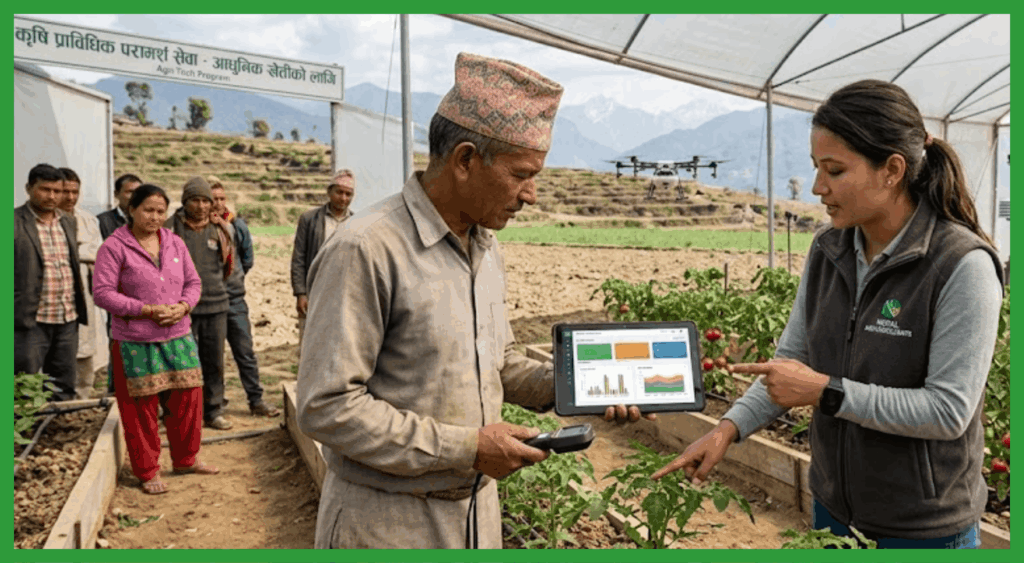
Today, many successful farmers are not working alone.
They rely on:
- Business planning support
- Technical guidance
- Infrastructure setup
- Market linkage
This is where professional agribusiness support becomes important.
Instead of learning everything through trial and error,
→ you can start with a structured system and reduce risks significantly.
Common Mistakes Beginners Should Avoid
Even with good intentions, beginners often make mistakes like:
- Investing without planning
- Ignoring market demand
- Overestimating profits
- Underestimating costs
- Avoiding expert advice
Avoiding these mistakes can save years of struggle.
Can Farming Be Profitable Without Experience?

Yes, but only if you:
- Plan properly
- Learn continuously
- Take calculated risks
- Focus on business, not just farming
Profit does not come from experience alone.
→ It comes from smart decisions and proper systems.
Real Mindset Shift Required
To succeed, you need to change your mindset:
From “I will try farming and see what happens” to “I will plan, execute and build a business system”
Conclusion
Starting farming without experience is not a disadvantage :
→ starting without preparation is.
If you take the right steps:
- Learn before investing
- Plan before executing
- Seek guidance when needed
You can build a profitable, sustainable and scalable agribusiness.
If you are planning to start your agribusiness or farming without experience but don’t know where to begin, getting the right guidance can make all the difference. A structured approach can turn your idea into a successful venture.